Do I need uterus removal surgery?
These are the common reasons Dr. Adil recommends this treatment:
- Very heavy or long periods that soak through pads, with clots, and stop you from daily life
- Tiredness, breathlessness or paleness from low blood (anaemia) caused by heavy bleeding
- Fibroids (بچہ دانی کی رسولی) that cause heavy bleeding, pain or pressure
- Painful, heavy periods from adenomyosis, where the womb lining grows into the womb's muscle wall
- A feeling of something coming down in the vagina from a dropped womb (prolapse)
- Long-term pelvic pain, for example from severe endometriosis
- Medicines, the hormone coil or other treatments have not helped, and your family is complete
What is a hysterectomy?
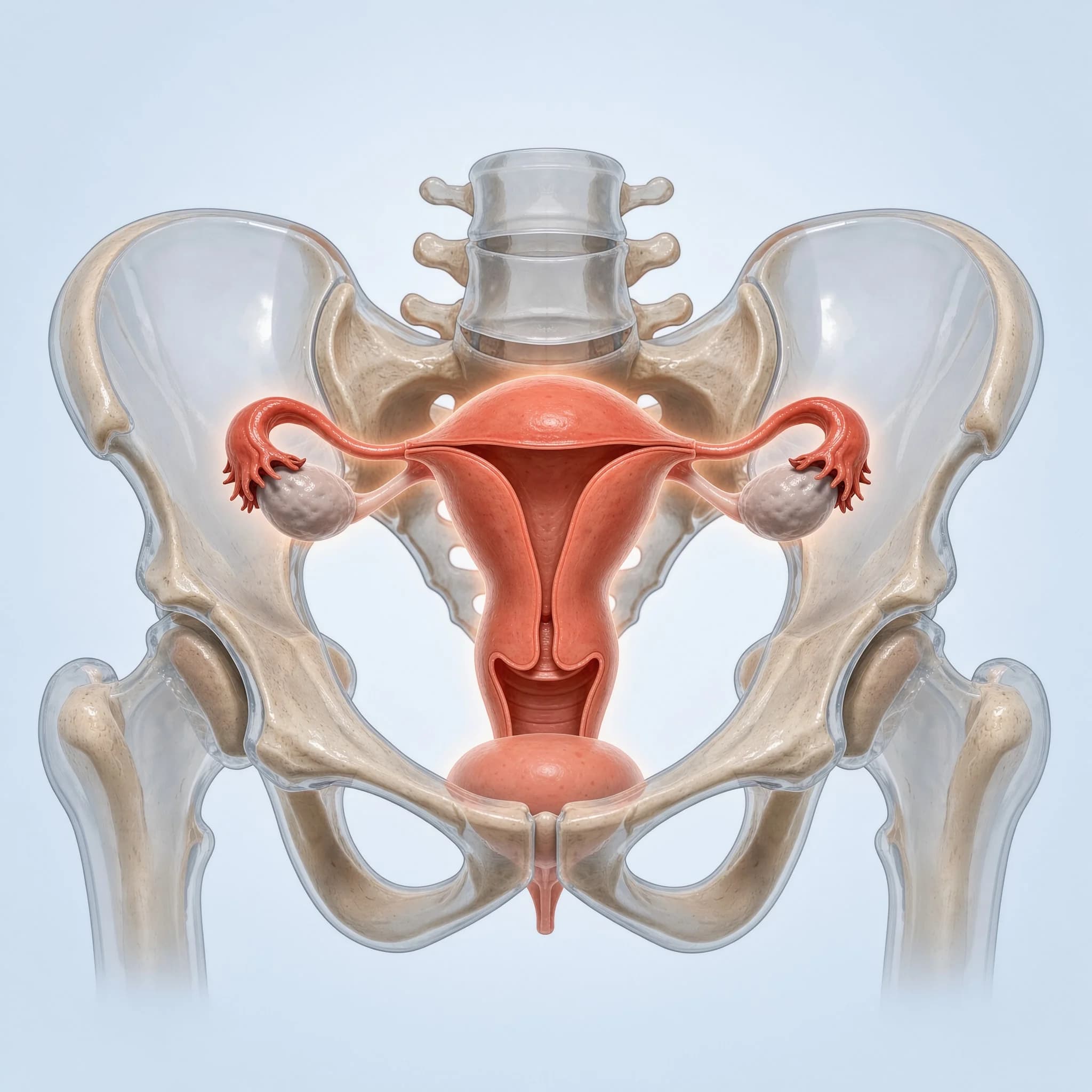
A hysterectomy is surgery to remove the womb (uterus). It is a major operation, so it is usually only advised after simpler treatments have been tried or are not suitable. After a hysterectomy your periods stop and you can no longer become pregnant.
In a laparoscopic (keyhole) hysterectomy, a thin camera is passed through a small cut near the belly button and fine instruments through a few more small cuts on the lower tummy. The womb is freed and usually taken out through the vagina. Compared with open surgery, keyhole surgery usually means less pain, a lower risk of wound infection, a shorter hospital stay and a quicker return to normal life.
Why is a hysterectomy done?
A hysterectomy is done to treat conditions of the womb that are seriously affecting your health or daily life. The most common reasons are:
- Heavy menstrual bleeding (HMB): periods so heavy they affect your life or cause anaemia
- Abnormal uterine bleeding (sometimes called dysfunctional uterine bleeding): long, irregular or heavy bleeding that other treatments have not controlled
- Fibroid uterus: non-cancerous growths in the womb's muscle that cause bleeding, pain or pressure
- Adenomyosis: the womb lining grows into the muscle wall, causing heavy, painful periods
- Severe endometriosis or long-term pelvic pain
- Prolapse: the womb drops down into the vagina because the supporting tissues have weakened
- Some precancerous changes, such as abnormal cells on the cervix, and cancers of the womb, cervix or ovaries (cancer surgery is planned differently and covered on its own page)
Can heavy periods or fibroids be treated without a hysterectomy?
Yes, often. For heavy periods, guidelines advise trying other treatments first, and many women never need a hysterectomy. Which option suits you depends on the cause, the size and position of any fibroids, and whether you want children in the future.
- The hormone coil (LNG-IUS): a small device placed in the womb that releases a hormone and makes periods much lighter. It is often the first treatment advised for heavy periods
- Tablets taken during periods: tranexamic acid (reduces bleeding) and anti-inflammatory painkillers (NSAIDs)
- Hormone tablets: the combined pill or progestogen tablets
- Endometrial ablation: a short procedure that destroys the womb lining. It is only for women who do not want any more children
- Myomectomy: removing only the fibroids and keeping the womb, for women who want to stay able to become pregnant
- Uterine artery embolisation: blocking the blood supply to fibroids through a thin tube in a blood vessel, so they shrink
Types of hysterectomy: total, subtotal and keeping the ovaries
There are different types of hysterectomy. The type advised depends on the reason for surgery, your age and your wishes, and you will decide it together before the operation.
- Total hysterectomy: the womb and the cervix (neck of the womb) are removed. This is the most common type
- Subtotal hysterectomy: the main body of the womb is removed and the cervix is left. You still need regular cervical screening (Pap smear) afterwards
- Removing the fallopian tubes (salpingectomy): the tubes may be removed at the same time, as this may help lower the future risk of ovarian cancer
- Removing the ovaries (oophorectomy): healthy ovaries are usually kept. They are removed only if there is a good medical reason and you agree after a full discussion
- Radical hysterectomy: the womb, cervix and surrounding tissue are removed for some cancers. This is a different, specialist operation
Laparoscopic, vaginal or abdominal hysterectomy: which is best?
A hysterectomy can be done by keyhole surgery (laparoscopic), through the vagina with no cut on the tummy (vaginal), or through one larger cut on the lower tummy (abdominal or open). Vaginal and keyhole hysterectomy usually mean a shorter stay and a quicker recovery than open surgery, so they are preferred when they are suitable.
A vaginal hysterectomy is often a good choice when the womb is not too large and there is no heavy scarring from earlier operations. Keyhole surgery lets the surgeon see the whole pelvis, which helps when there is endometriosis, scar tissue or a need to look at the ovaries. Open surgery may be safer for a very large womb or heavy scarring from earlier operations, and sometimes a keyhole operation has to be changed to open surgery for safety. Dr. Adil will explain which route suits your body and situation.
What changes after a hysterectomy? Periods, pregnancy and menopause
After any hysterectomy your periods stop and you cannot carry a pregnancy. This is permanent, so it is important to be sure your family is complete before you agree to the operation.
If your ovaries are kept, they go on making hormones and you will not go into the menopause straight away, although it may come a little earlier than it otherwise would. If both ovaries are removed before the menopause, the menopause starts immediately (surgical menopause), with symptoms such as hot flushes, and hormone replacement therapy (HRT) is usually offered if it is safe for you. Many women feel relief that their symptoms are gone, but it is also normal to feel sad or low for a while; please tell us if you do.
Who performs the operation?
Dr. Adil Shafi performs the operation as lead surgeon, with consultant gynaecologist Dr. Sania Amin (FCPS Gynaecology & Obstetrics) as co-surgeon. Dr. Sania, a female doctor, is with you during the operation and looks after you afterwards. They assess you and plan your operation together, and everything you share is kept private.
Preparing for your hysterectomy
At your consultation Dr. Adil will ask about your periods, pain, pregnancies and plans, examine you and review your scans. You are welcome to bring a family member. Before surgery you will usually need:
- A pelvic ultrasound, and sometimes an MRI for a large womb or many fibroids
- Blood tests: blood count, blood group and others as needed; iron treatment first if you are anaemic
- A cervical screening test if one is due, and sometimes a sample of the womb lining
- A pregnancy test before surgery
- Advice on stopping blood thinners or adjusting diabetes medicine, and no food or drink for about 6–8 hours before surgery
Your surgery day, step by step
- 1
Arrive at hospital
You check in at the hospital, change into a gown and meet the nursing team.
- 2
Meet your surgeons and anaesthetist
Dr. Adil goes over the plan again, including whether the cervix, tubes and ovaries will be kept, and you sign the consent form. The anaesthetist checks you are fit to go ahead.
- 3
Fall asleep
You receive a general anaesthetic, so you are fully asleep and feel nothing. A thin tube (catheter) drains the bladder during the operation.
- 4
Keyhole hysterectomy
The tummy is gently filled with gas, the womb is freed from its blood supply and supports, and it is usually removed through the vagina. The tissue is sent to the laboratory for testing.
- 5
Wake up in recovery
Nurses watch you as you wake. You can usually drink within a few hours and are helped to walk later the same day or the next morning.
Recovery: what to expect
- Days 0–1
Rest and first steps
Tummy soreness and shoulder-tip pain from the gas are normal and are controlled with painkillers. Some vaginal bleeding or discharge is expected.
- Days 1–2
Home
Most women go home after one or two nights once they are eating, walking and passing urine. A light discharge can continue for several weeks.
- Weeks 1–2
Gentle activity
Walk a little more every day and rest well. Avoid lifting anything heavy, such as full shopping bags or buckets of water.
- Weeks 2–4
Light work
Many women return to light housework and desk work in two to four weeks after keyhole surgery. Driving is usually possible once you can wear a seatbelt and brake hard without pain.
- Weeks 6–8
Full recovery
Heavy lifting, strenuous work and intercourse usually wait about six weeks, until the wounds inside have healed. Recovery after open surgery takes longer, about six to eight weeks.
Risks and warning signs
Possible risks
Every operation carries some risk. Most are uncommon and treatable.
- Bleeding during or after surgery, rarely needing a blood transfusion
- Infection of a wound, the urine or the top of the vagina
- Injury to the bladder, bowel or the tubes that carry urine from the kidneys (ureters): uncommon but serious
- Blood clots in the legs or lungs, reduced by walking early and sometimes injections
- Needing to change to open surgery for safety
- Earlier menopause, even when the ovaries are kept, and immediate menopause if they are removed
- Changes in sexual feeling or pain during sex for some women
- Risks related to anaesthesia, which are checked for before surgery
Contact us straight away if you have
- Fever, chills or shivering
- Heavy vaginal bleeding, passing clots, or a smelly discharge
- Tummy pain that is getting worse instead of better
- Pain or burning when passing urine, or being unable to pass urine
- Redness, swelling or pus from a wound
- Breathlessness, chest pain or a painful, swollen leg
What affects the cost of uterus removal surgery in Pakistan?
The cost of uterus removal surgery in Pakistan is different for every patient. It mainly depends on:
- The route of surgery: keyhole, vaginal or open
- The size of the womb and how complex the operation is, for example with large fibroids, endometriosis or scar tissue
- Whether the tubes or ovaries are removed at the same time
- Tests before surgery, such as MRI, and the laboratory report on the womb afterwards
- Length of hospital stay and the room type you choose
After your consultation, our team will explain the expected cost for your own case clearly.
Ask on WhatsAppQuestions patients often ask
Can heavy periods be treated without a hysterectomy?
Often, yes. The hormone coil, tranexamic acid, hormone tablets, endometrial ablation and, for fibroids, myomectomy are usually tried first. A hysterectomy is considered when these have not helped or are not suitable and you do not want more children.
Is laparoscopic hysterectomy better than open hysterectomy?
When it is suitable, keyhole hysterectomy usually means less pain, a lower risk of wound infection, a shorter hospital stay and a quicker recovery than open surgery. A very large womb or heavy scarring may make open surgery safer. Dr. Adil will advise which suits you.
Will I go into menopause after a hysterectomy?
Not straight away if your ovaries are kept, because they keep making hormones, although the menopause may come a little earlier. If both ovaries are removed before the menopause, it starts immediately and hormone replacement therapy (HRT) is usually offered if it is safe for you.
Should my ovaries be removed during a hysterectomy?
Healthy ovaries are usually kept, because their hormones help protect your bones and general health. They are removed only when there is a good medical reason and after you have agreed. Removing the tubes alone may be suggested, as it may lower the future risk of ovarian cancer.
How long does it take to recover from a hysterectomy?
After a keyhole hysterectomy most women go home in one or two nights and return to light activities in two to four weeks. Heavy lifting and intercourse usually wait about six weeks. Recovery after open surgery takes longer, about six to eight weeks.
Will a female doctor look after me during and after the surgery?
Yes. Dr. Sania Amin, a female consultant gynaecologist, is co-surgeon in the operation and looks after you after it, with Dr. Adil Shafi as lead surgeon.
What does a hysterectomy cost in Pakistan?
The cost depends on the route of surgery, the size of the womb and how complex the operation is, whether the tubes or ovaries are removed, tests needed, and the hospital stay. After your consultation, our team gives you a clear estimate. Message us on WhatsApp to get started.
Where can I get a hysterectomy in Islamabad or Rawalpindi?
Dr. Adil Shafi (lead surgeon) and consultant gynaecologist Dr. Sania Amin (co-surgeon) see patients at Omer Diagnostics and Specialist Clinics, G-8 Markaz, Islamabad, and operate at the hospital best suited to your procedure and situation. The clinic is easy to reach from Rawalpindi.
Trusted sources for further reading
- Hysterectomy · NHS (UK National Health Service)
- Hysterectomy: recovery · NHS (UK National Health Service)
- Heavy menstrual bleeding: assessment and management (NG88), recommendations · NICE (National Institute for Health and Care Excellence)
- Hysterectomy (FAQs) · ACOG (American College of Obstetricians and Gynecologists)
- Hysterectomy · MedlinePlus (US National Library of Medicine)


Medically reviewed by Dr. Adil Shafi, MBBS, MS, CMIS, MRCPS
Lead surgeon, with female consultant gynaecologist Dr. Sania Amin (opens in a new tab) (MBBS, FCPS) as co-surgeon, during and after your operation
Last reviewed
This guide explains Laparoscopic Hysterectomy in general terms. Every patient is different, and it does not replace a consultation. Please speak to Dr. Adil about your own situation.
Dr. Adil sees patients from Islamabad and Rawalpindi at his clinic in G-8 Markaz. See clinic timings and directions, or browse all gynae surgery guides.