Do I need pilonidal sinus treatment?
These are the common reasons Dr. Adil recommends this treatment:
- Pain and swelling at the top of the buttock crease, often worse when you sit
- A tender lump there that may suddenly fill with pus (an abscess)
- Pus or blood leaking from one or more tiny holes (pits) in the crease, often with a bad smell
- Repeated flare-ups of infection in the same spot
- Fever or feeling unwell when the area is infected
- A small dimple or hole in the crease that you or your family have noticed
What is a pilonidal sinus?
A pilonidal sinus is a small hole or tunnel in the skin in the crease between the buttocks, near the tailbone (coccyx). Loose hairs and hair growing in the crease are pushed into the skin by pressure and friction. The body treats them as foreign material, which causes swelling and infection.
Many people have a sinus that causes no trouble. Problems start when it gets infected: an abscess forms, and after that the sinus often keeps leaking or flaring up.
Pilonidal sinus meaning in Urdu
In Urdu, people usually just say pilonidal sinus (پائلونائیڈل سائنس). It describes a ناسور (nasoor): a long-lasting tunnel under the skin that keeps leaking pus, found at the top of the buttock crease over the tailbone (دم کی ہڈی).
Who gets a pilonidal sinus?
A pilonidal sinus is most common in young men, usually between puberty and age 40. It is more likely if you:
- Sit for long hours, for example drivers and people in office or desk jobs
- Have thick, stiff or plentiful body hair, or a deep, hairy buttock crease
- Are overweight
- Have a family member who has had one
- Have repeated rubbing, irritation or injury in the area
Pilonidal abscess: draining the pus
A painful, swollen pilonidal abscess is treated by draining it: a small cut is made, usually under local anaesthetic (numbing injection), to let the pus out. Antibiotics alone cannot clear an abscess, but they may be added if the skin around it is red and inflamed.
The wound is left open and needs regular dressings until it heals over a few weeks. Drainage treats the abscess, but the tunnel underneath often remains, so many people later need a planned operation to stop it coming back.
Pilonidal sinus surgery procedure: your options
If the sinus keeps getting infected or leaking, surgery removes the tunnel and the hairs inside it. There is no single best operation; each one trades healing time against the chance of the sinus coming back. Dr. Adil will recommend the option that suits the size of your sinus and whether it has come back before. The main options are:
- Lay-open (unroofing): the tunnel is opened up, cleaned and the edges trimmed, then left to heal
- Wide excision with open healing: the sinus and some skin around it are removed and the wound heals by itself from the bottom up. It takes the longest to heal and needs regular dressings, but has the lowest chance of coming back
- Excision with midline closure: the sinus is removed and the wound is stitched closed in the crease. It heals faster but has a higher risk of wound infection, and the wound sometimes has to be reopened
- Excision with an off-midline flap, such as the Karydakis or Limberg flap: nearby skin is moved to cover the wound so the stitch line sits to one side of the crease. Compared with a midline stitch line, this probably lowers the chance of infection and of the sinus coming back
Pilonidal sinus treatment without surgery, laser and minimally invasive options
A sinus that is not infected and causes no symptoms does not need surgery; keeping the area clean and dry and watching it is enough. Once it keeps flaring up, medicines alone will not close the tunnel.
Newer, smaller procedures avoid a large wound. In pit-picking, only the tiny pits and the hair inside are removed. In endoscopic treatment (EPSiT), a thin camera is passed into the tunnel to clear the hair and infected tissue, and the inside is sealed with heat; it is usually a day case under local or spinal anaesthesia. Laser treatment (such as SiLaC) seals the tunnel from inside with laser energy. Glue injected into the tunnel is another option in some places.
These methods mean less pain and a quicker return to daily life, often within days. The honest trade-off is that the sinus comes back more often than after a full excision with a flap: in studies, from 0 up to about 16 in 100 after pit-picking, and from 0 up to about 29 in 100 when laser, endoscopic or chemical treatment is added. Dr. Adil will tell you whether one of these suits your sinus.
Hair removal after pilonidal sinus surgery
Keeping the buttock crease free of hair after the wound heals helps stop the sinus coming back. Do not shave the area while it is sore or infected unless your doctor advises it.
- Once healed, remove hair from the area every 2 to 3 weeks by shaving, hair-removal cream or laser hair removal
- This is most important until about age 30, when body hair usually becomes softer and the crease shallower
- Shower daily and keep the area clean and dry
- Wear loose cotton underwear and take regular breaks from long periods of sitting
- Keep to a healthy weight
Your surgery day, step by step
- 1
Arrive at hospital
You check in at the hospital, change into a gown and meet the nursing team. Most pilonidal sinus operations are day cases, so you go home the same day.
- 2
Meet your surgeon
Dr. Adil marks the area, explains the planned operation and answers your questions, and you sign the consent form.
- 3
Anaesthesia
You lie face down. Depending on the operation, the area is numbed with a local anaesthetic, or you have a spinal or general anaesthetic.
- 4
Removing the sinus
The tunnel, the hairs inside it and any infected tissue are removed. The wound is then left open with a dressing, stitched closed, or covered with a flap of nearby skin.
- 5
Recovery and home
You rest until the anaesthetic wears off and you can walk comfortably. The nurses show you or a family member how to care for the wound before you leave.
Recovery: what to expect
- Days 1–7
Rest and wound care
Take painkillers as advised and keep the wound clean. Open wounds need regular dressing changes. Avoid heavy lifting and hard exercise for the first week or so.
- Day 10 or so
Stitches out
If your wound was stitched, the stitches are usually removed around 10 days after surgery.
- Weeks 1–2
Back to work
Most people return to work within two weeks, depending on the operation and their job. Take breaks from sitting for long.
- Weeks 4–8
Healing
After endoscopic treatment the wound usually heals in about a month; open wounds take longer. Avoid cycling for six to eight weeks and swimming until the wound has fully healed.
- After healing
Keep it hair-free
Your follow-up is usually about six weeks after surgery. Keep the crease free of hair every few weeks to lower the chance of it coming back.
Risks and warning signs
Possible risks
Every operation carries some risk. Most are uncommon and treatable.
- The sinus coming back, which is more likely after smaller procedures and after a midline stitch line
- Wound infection, especially after the wound is stitched closed in the midline
- The stitched wound opening up, so it then has to heal as an open wound
- Slow healing of an open wound, needing dressings for several weeks
- Bleeding from the wound
- A scar in the crease
- Risks related to anaesthesia, which are checked for before surgery
Contact us straight away if you have
- Fever, chills or feeling unwell
- Pain that is getting worse instead of better
- Spreading redness, swelling or heat around the wound
- Pus or a bad smell from the wound
- Bleeding that soaks through the dressing
- A stitched wound that opens up
What affects the cost of pilonidal sinus treatment in Pakistan?
The cost of pilonidal sinus treatment in Pakistan is different for every patient. It mainly depends on:
- Whether you need an abscess drained or a planned operation
- The type of operation, such as open healing, closure, a flap or a smaller procedure
- The size of the sinus and whether it has come back after earlier treatment
- Local, spinal or general anaesthesia
- Dressings and follow-up visits needed while the wound heals
- The hospital and length of stay
After your consultation, our team will explain the expected cost for your own case clearly.
Ask on WhatsAppQuestions patients often ask
What is the best pilonidal sinus treatment?
It depends on your sinus. An infected abscess is drained first. For a sinus that keeps coming back, removing it with an off-midline flap (such as Karydakis or Limberg) or leaving the wound open to heal both have a low chance of return, while smaller procedures such as pit-picking or laser heal faster but come back more often. Dr. Adil will explain which suits you.
Can a pilonidal sinus be treated without surgery?
A sinus that is not infected may need no treatment beyond keeping the area clean, dry and free of hair. Antibiotics can calm the skin around an infection, but they cannot clear an abscess or close the tunnel. A sinus that keeps flaring up usually needs a procedure.
What does pilonidal sinus mean in Urdu?
People in Pakistan usually just say pilonidal sinus (پائلونائیڈل سائنس). It is a ناسور (nasoor), a tunnel under the skin that keeps leaking pus, at the top of the buttock crease over the tailbone. The tunnel often holds a small nest of hairs.
Is laser treatment for pilonidal sinus better than surgery?
Laser treatment means a smaller wound, less pain and a faster return to normal life. However, in studies the sinus comes back more often after laser and other minimally invasive methods than after a full excision with a flap, and long-term results are still being collected. Dr. Adil will tell you honestly whether it suits your sinus.
How long is recovery after pilonidal sinus surgery?
Most people go home the same day and return to work within two weeks. Stitches, if used, come out around day 10. An open wound can take several weeks to heal fully, while endoscopic treatment usually heals in about a month.
Why do pilonidal sinuses come back?
New hairs can be pushed into the skin again, or a small part of the tunnel may remain. Keeping the crease free of hair after healing, keeping the area clean, avoiding long hours of sitting and keeping to a healthy weight all help.
What does pilonidal sinus surgery cost in Pakistan?
The cost depends on whether you need drainage or a planned operation, the type of operation, the size of the sinus, the anaesthesia and the dressings and follow-up needed. After your consultation, our team gives you a clear estimate. Message us on WhatsApp to get started.
Where can I get pilonidal sinus treatment in Islamabad or Rawalpindi?
Dr. Adil Shafi sees patients at Omer Diagnostics and Specialist Clinics, G-8 Markaz, Islamabad, and operates at the hospital best suited to your procedure and situation. The clinic is easy to reach from Rawalpindi.
Trusted sources for further reading
- Pilonidal sinus · NHS (UK National Health Service)
- Pilonidal Disease · American Society of Colon and Rectal Surgeons (ASCRS)
- Endoscopic ablation for a pilonidal sinus · NICE (National Institute for Health and Care Excellence)
- Midline and off-midline wound closure methods after surgical treatment for pilonidal sinus · Cochrane
- Non-excisional techniques for the treatment of intergluteal pilonidal sinus disease: a systematic review · Techniques in Coloproctology, via PubMed Central (US National Library of Medicine)
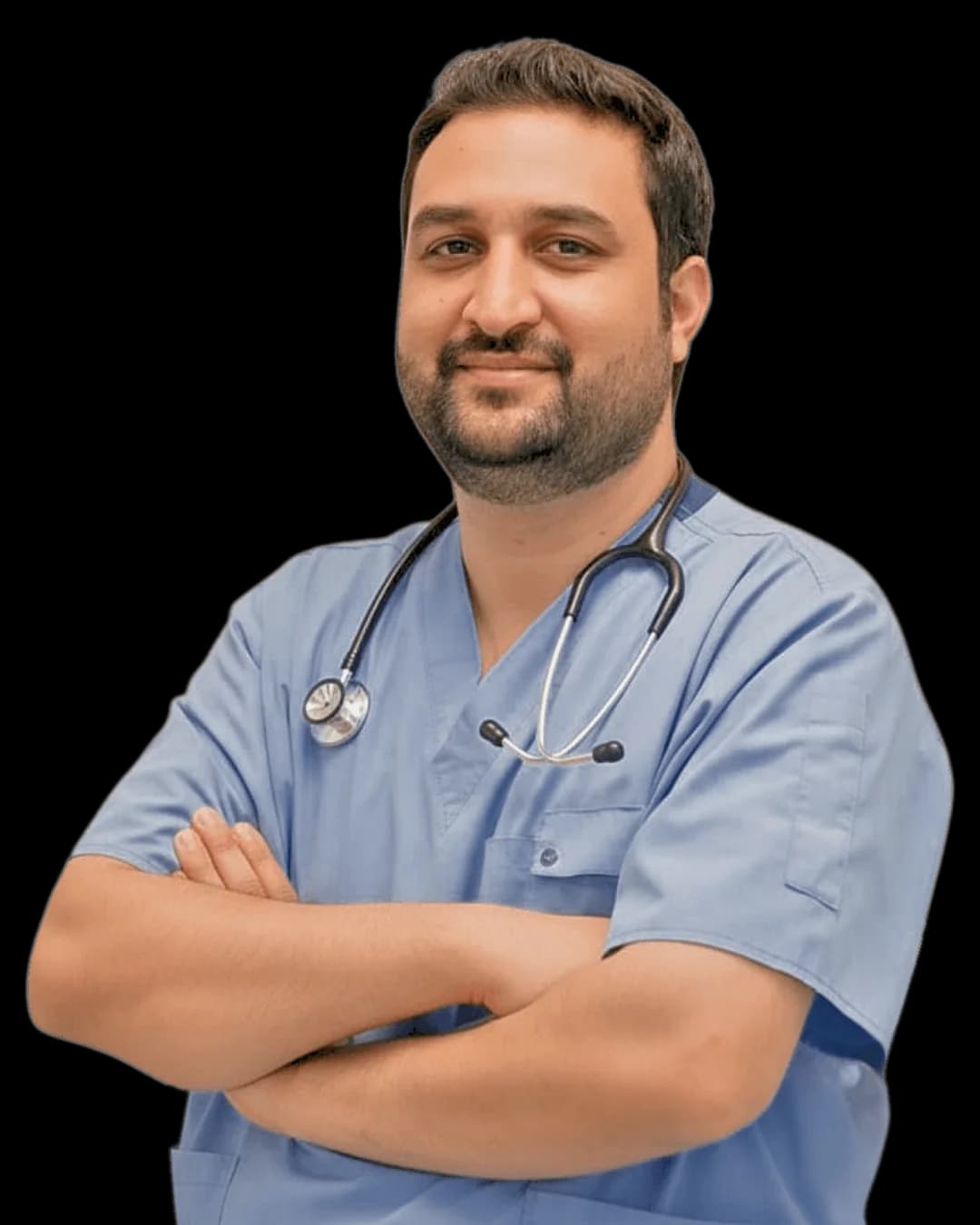
Medically reviewed by Dr. Adil Shafi, MBBS, MS, CMIS, MRCPS
Last reviewed
This guide explains Pilonidal Sinus Surgery in general terms. Every patient is different, and it does not replace a consultation. Please speak to Dr. Adil about your own situation.
Dr. Adil sees patients from Islamabad and Rawalpindi at his clinic in G-8 Markaz. See clinic timings and directions, or browse all general surgery guides.