Do I need dye test for fallopian tubes?
These are the common reasons Dr. Adil recommends this treatment:
- You have been trying to get pregnant for a year or more without success, or for less time if you are 36 or older
- You have had pelvic inflammatory disease (PID) or a sexually transmitted infection such as chlamydia in the past
- You have had an ectopic pregnancy or an operation in the pelvis
- Very painful periods, pain during intercourse or pelvic pain that suggests endometriosis
- An HSG test or HyCoSy suggested that one or both tubes may be blocked
- Your fertility doctor needs to know if your tubes are open before choosing a treatment
What is a dye test for fallopian tubes?
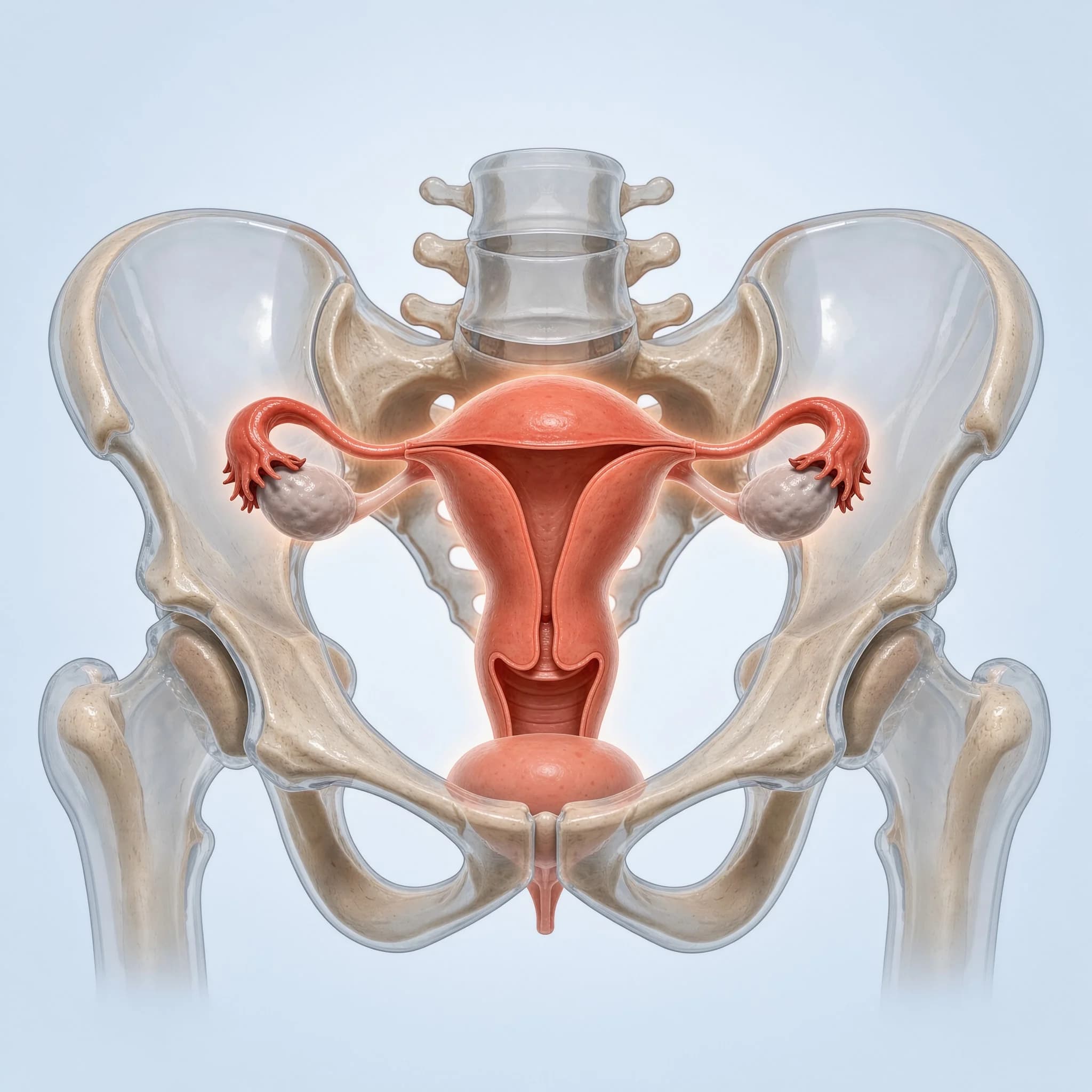
It is a test to see if dye or fluid can pass freely through your fallopian tubes. These are the two thin tubes that carry an egg from each ovary to the womb (بچہ دانی). Sperm usually meets the egg inside a tube, so a blocked tube can stop the egg and sperm meeting.
There are three main ways to do it: an HSG test (hysterosalpingography), HyCoSy, and laparoscopy and dye. Checking the tubes is one part of a fertility check-up, alongside tests for ovulation and a semen test for your husband, because problems can affect either partner.
HSG test and HyCoSy: the usual first tests
For most women with no known problems in the pelvis, the tubes are first checked with a test that needs no operation or anaesthetic. Both are done while you are awake and take a short time.
- HSG (hysterosalpingography): an X-ray of the womb and tubes. A thin tube is passed through the cervix (the neck of the womb) and dye is gently injected while X-ray pictures are taken. It is done in a radiology department, and you can eat and drink normally beforehand
- HyCoSy (hysterosalpingo-contrast-sonography): a similar test using an ultrasound scan instead of X-rays, where available. A small amount of fluid is passed through the cervix and watched on the scan as it flows along the tubes
- Both tests can cause period-like cramps for a short while. You may be given antibiotics, and a test for chlamydia is usually offered first
- If either test suggests a blockage, a laparoscopy and dye test is usually the next step to look more closely
Laparoscopy and dye: when is it the better test?
A laparoscopy and dye test is usually advised when it is likely that there is a problem in the pelvis, so the tubes and the other pelvic organs can be checked at the same time. This includes women who have had PID, an ectopic pregnancy or endometriosis, or whose scan or HSG suggests a blocked tube.
Under general anaesthetic, a thin camera is passed through a small cut at the belly button. A dye is gently passed through the cervix, and the surgeon watches to see whether it flows out of the end of each tube. The camera also shows problems on the outside of the womb, tubes and ovaries, such as endometriosis, scar tissue (adhesions) and ovarian cysts, which an X-ray of the inside cannot show.
Minor problems found during the test, such as small patches of endometriosis or bands of scar tissue around the tubes, can often be treated in the same operation, which can avoid a second operation. Dr. Adil discusses with you beforehand what may be treated if it is found.
HSG or lap and dye: which is right for me?
Both tests answer the same main question, whether the tubes are open, but they suit different women. Honest pros and cons:
- HSG and HyCoSy: no operation, no anaesthetic and quick to arrange. They are reliable for showing that the tubes are open, but they cannot see the outside of the tubes, the ovaries or endometriosis
- Laparoscopy and dye: a short keyhole operation with the small risks of surgery and anaesthesia. It gives the fullest view of the pelvis, and problems found can often be treated at once
- If you have no history of pelvic infection, endometriosis or pelvic surgery, an HSG or HyCoSy is usually the sensible first step
When in my cycle is the dye test done?
An HSG is best done in the first half of your menstrual cycle, usually in the days after your period has finished and before you ovulate. This gives the clearest pictures, lowers the risk of infection and makes sure you are not pregnant.
For a laparoscopy and dye test, avoid unprotected intercourse during the month of your test, because the test has to be cancelled if there is any chance you might be pregnant. A pregnancy test is done on the day. If your period is likely to fall on the date of your test, let the clinic know so it can be rearranged if needed.
Who will do my laparoscopy and dye test?
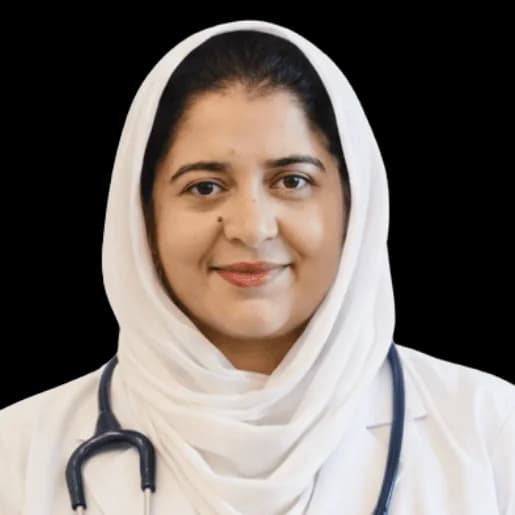
Dr. Adil Shafi performs the operation as lead surgeon. Consultant gynaecologist Dr. Sania Amin, a female doctor, is with you during the operation as co-surgeon and looks after you afterwards. Your earlier fertility tests and scans are reviewed first, so you only have the test that is right for you.
Your surgery day, step by step
- 1
Arrive at hospital
You check in at the hospital and change into a gown. A pregnancy test is done to make sure it is safe to go ahead.
- 2
Meet your surgeon and anaesthetist
Dr. Adil explains the plan, including what may be treated if endometriosis or scar tissue is found, and you sign the consent form. The anaesthetist checks you are fit to go ahead.
- 3
Fall asleep
You receive a general anaesthetic, so you are fully asleep and feel nothing during the test.
- 4
Keyhole look and dye test
A small instrument is placed in the womb through the vagina. Through a small cut at the belly button and one or two more 1 cm cuts, the camera checks the pelvis while dye is passed through the tubes.
- 5
Wake up and hear the findings
Nurses watch you as you wake. The findings are usually explained to you before you go home the same day.
Recovery: what to expect
- Day of the test
Home the same day
Mild tummy soreness, bloating and shoulder-tip pain from the gas are normal and settle with simple painkillers. You may have a sore throat from the anaesthetic.
- Days 1–2
Rest
Rest at home and take painkillers if you need them. You can shower the day after the test.
- Days 2–3
Back to work
Most women return to work after 2 to 3 days, though some take a little longer. Intercourse can start again as soon as you feel comfortable.
- Week 1
Light bleeding settles
Some light vaginal bleeding is normal after the test and usually settles within a week. The small stitches dissolve on their own.
- Follow-up
Planning the next step
At your follow-up visit, the results are explained again and you agree the next step towards pregnancy, which may include fertility treatment.
Risks and warning signs
Possible risks
Every operation carries some risk. Most are uncommon and treatable.
- Shoulder-tip pain, bloating and bruising around the small cuts, which settle within days
- Infection of a wound, the womb, the tubes or the bladder
- Bleeding during or after the test
- A small hole made in the womb by the instrument placed through the cervix
- Injury to the bowel, bladder or a blood vessel: rare, but it may need open surgery to repair
- A hernia at one of the small cuts
- Not finding a clear cause for difficulty getting pregnant
- Risks related to anaesthesia, which are checked for before the test
Contact us straight away if you have
- A high temperature, or feeling hot, cold or shivery
- Tummy pain or bloating that is getting worse instead of better
- Heavy vaginal bleeding or a foul-smelling discharge
- Redness, swelling, pus or bleeding from a wound
- Severe or continuous vomiting
- A painful, swollen leg, breathlessness or chest pain
What affects the cost of dye test for fallopian tubes in Pakistan?
The cost of dye test for fallopian tubes in Pakistan is different for every patient. It mainly depends on:
- Whether you need an HSG, HyCoSy or a laparoscopy and dye test
- Whether endometriosis, scar tissue or a cyst is treated during the same operation
- Fertility and blood tests needed beforehand, such as a chlamydia test
- The type of anaesthesia and the length of your stay
- The hospital and room type you choose
After your consultation, our team will explain the expected cost for your own case clearly.
Ask on WhatsAppQuestions patients often ask
Is a laparoscopy and dye test better than an HSG test?
Not for everyone. An HSG test is reliable for showing open tubes and needs no operation, so it is usually the first test for women with no known pelvic problems. A laparoscopy and dye test is better when PID, endometriosis or previous surgery is suspected, because it also shows the rest of the pelvis and problems can often be treated at the same time.
Is the HSG test painful?
Most women feel period-like cramps during or soon after an HSG, which usually pass quickly. It can be more uncomfortable if a tube is blocked. You may be offered medicine beforehand to help you relax.
Can the fallopian tubes be checked without surgery?
Yes. An HSG test (an X-ray with dye) or HyCoSy (an ultrasound with fluid) checks the tubes without an operation or anaesthetic. A laparoscopy is usually only needed if a problem is likely, or if one of these tests suggests a blockage.
Can blocked tubes or endometriosis be treated during the dye test?
Often, yes. Minor problems such as small patches of endometriosis or bands of scar tissue around the tubes can often be treated in the same keyhole operation. Larger problems may need a separate, planned operation or fertility treatment such as IVF, which Dr. Adil will discuss with you.
How long is recovery after laparoscopy and dye?
Most women go home the same day, rest for a day or two and return to work after 2 to 3 days. Light vaginal bleeding and shoulder-tip pain are common for a few days. If other treatment is done at the same time, recovery may take a little longer.
Will a female doctor look after me during and after the test?
Yes. Dr. Sania Amin, a female consultant gynaecologist, is co-surgeon in your operation and looks after you after it, with Dr. Adil as lead surgeon. You can discuss private questions about fertility, periods or intercourse with her in confidence.
What does a dye test for fallopian tubes cost in Pakistan?
The cost depends on which test you need (HSG, HyCoSy or laparoscopy and dye), whether any treatment is done during the operation, tests needed beforehand and the length of stay. After your consultation, our team gives you a clear estimate. Message us on WhatsApp to get started.
Where can I get a laparoscopy and dye test in Islamabad or Rawalpindi?
Dr. Adil Shafi, lead surgeon, and consultant gynaecologist Dr. Sania Amin see patients at Omer Diagnostics and Specialist Clinics, G-8 Markaz, Islamabad, and operate at the hospital best suited to your procedure and situation. Couples from across Islamabad and Rawalpindi can reach the clinic easily.
Trusted sources for further reading
- Infertility: diagnosis · NHS (UK National Health Service)
- Fertility problems (NG257): investigation of suspected tubal and uterine abnormalities · NICE (National Institute for Health and Care Excellence)
- Hysterosalpingography · MedlinePlus (US National Library of Medicine)
- Laparoscopy and dye test · healthdirect (Australian Government)
- Laparoscopy and dye test (patient information) · Gloucestershire Hospitals NHS Foundation Trust
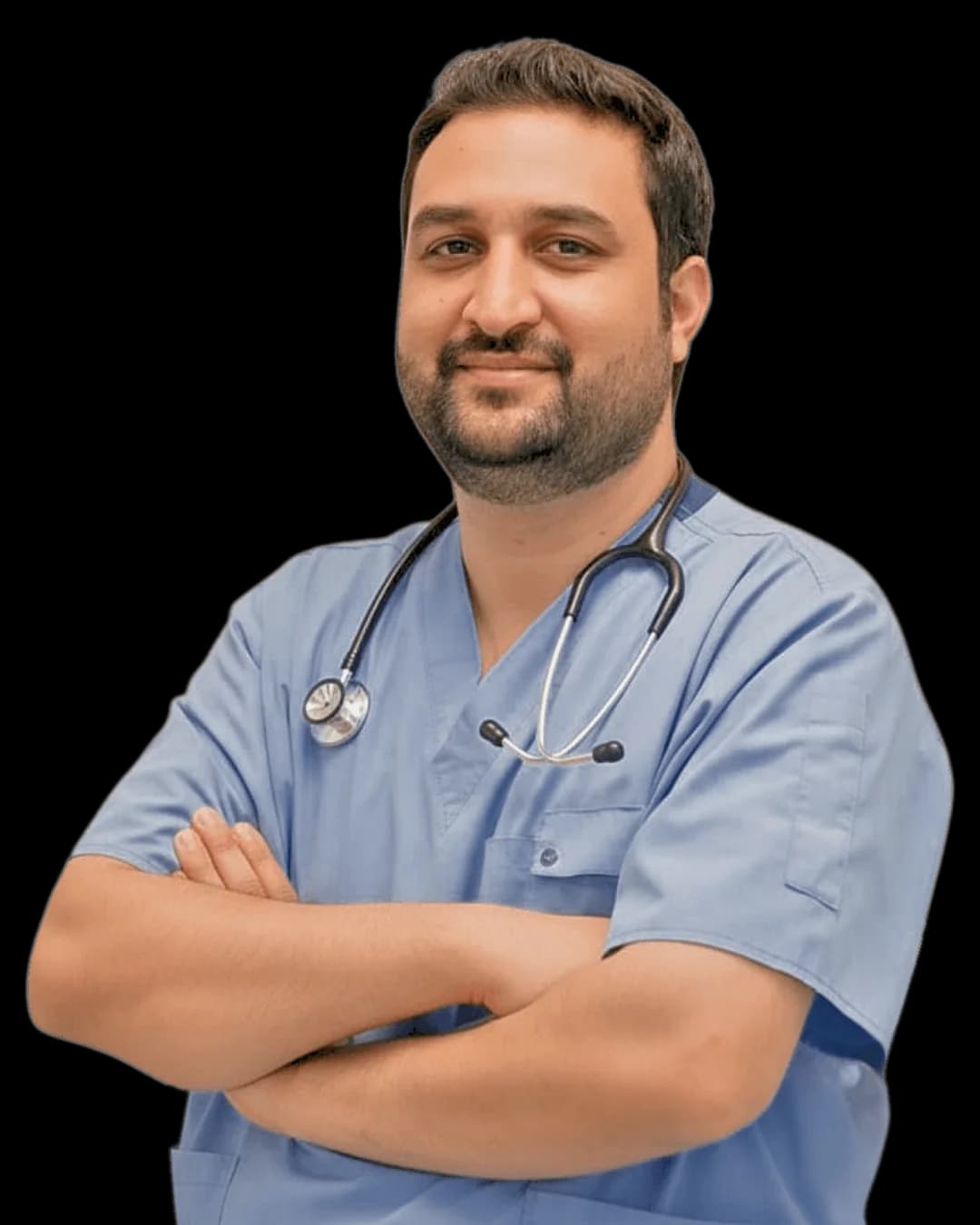
Medically reviewed by Dr. Adil Shafi, MBBS, MS, CMIS, MRCPS
Lead surgeon, with female consultant gynaecologist Dr. Sania Amin (opens in a new tab) (MBBS, FCPS) as co-surgeon, during and after your operation
Last reviewed
This guide explains Laparoscopy and Dye Test (Chromotubation) in general terms. Every patient is different, and it does not replace a consultation. Please speak to Dr. Adil about your own situation.
Dr. Adil sees patients from Islamabad and Rawalpindi at his clinic in G-8 Markaz. See clinic timings and directions, or browse all gynae surgery guides.