A hernia is one of the most common surgical conditions affecting people worldwide. It occurs when an internal organ or tissue pushes through a weak area in the surrounding muscle or connective tissue. Hernias can develop in different parts of the body, most commonly in the abdomen or groin. While many patients initially notice only a small bulge or mild discomfort, a hernia does not heal on its own and often requires surgical repair.
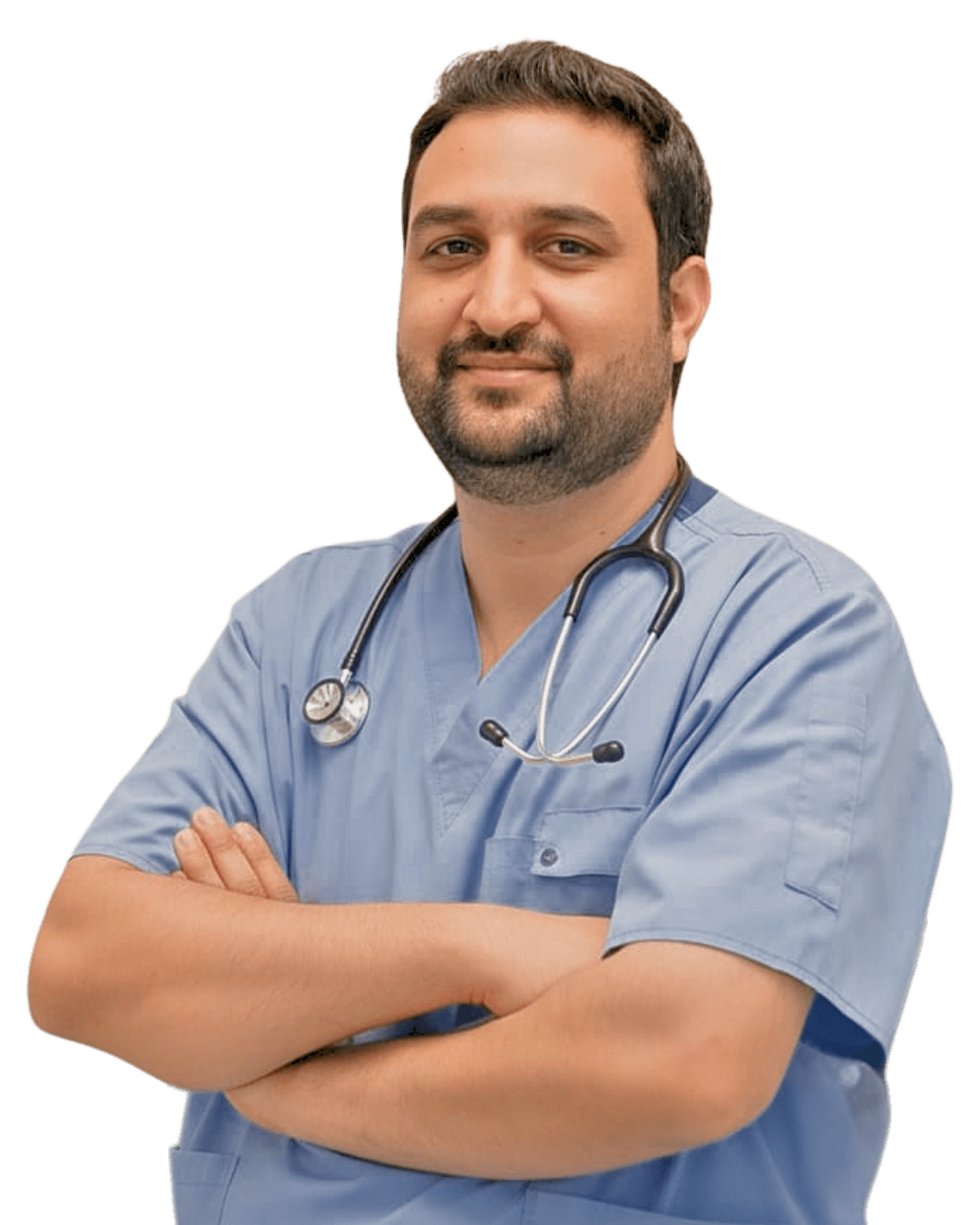
Today, modern surgical advancements allow hernia treatment to be performed using laparoscopic hernioplasty, a minimally invasive technique that offers faster recovery and less discomfort compared to traditional open surgery. For patients in Islamabad and Rawalpindi, Dr. Adil Shafi, Consultant General and Laparoscopic Surgeon, provides expert diagnosis and treatment for various types of hernias using advanced surgical techniques.
Understanding the causes, symptoms, and treatment options for hernia can help patients make informed decisions and seek timely medical care.
A hernia occurs when internal tissues or organs push through a weak spot in the surrounding muscle wall. This weakness may develop over time or may be present from birth.
The most common types of hernias include:
Inguinal Hernia: The most common type, occurring in the groin area when abdominal contents protrude through the inguinal canal.
Umbilical Hernia: Occurs near the belly button when tissue pushes through weakened abdominal muscles.
Incisional Hernia:Develops at the site of a previous surgical incision where the abdominal wall has weakened.
Femoral Hernia:Occurs in the upper thigh or groin area and is more common in women.
Recurrent Hernia:A hernia that returns after previous surgical repair.
Regardless of the type, hernias typically grow larger over time if left untreated.
Hernia symptoms can vary depending on the type and size of the hernia. Some patients may initially notice only mild discomfort, while others experience more pronounced symptoms.
Common signs include:
In some cases, the bulge may disappear when lying down but reappear during activity.
If you notice these symptoms, consulting an experienced surgeon such as Dr. Adil Shafi in Islamabad or Rawalpindi is recommended for proper evaluation.
Many patients delay treatment because the hernia may initially appear harmless. However, untreated hernias can lead to serious complications.
Hernia Enlargement: Over time, the bulge may grow larger and cause increasing discomfort.
Incarcerated Hernia: The trapped tissue becomes stuck and cannot return to the abdominal cavity.
Strangulated Hernia: Blood supply to the trapped tissue is cut off, which can become a life-threatening medical emergency.
Early surgical treatment helps prevent these complications and ensures better outcomes.
Laparoscopic hernioplasty is a minimally invasive hernia repair procedure performed using small incisions and a laparoscope (a thin tube with a camera).
During the surgery:
This modern technique allows surgeons to perform hernia repair with greater precision and minimal tissue damage.
Compared to traditional open surgery, laparoscopic hernia repair offers several advantages.
Smaller Incisions: Only tiny cuts are required, resulting in minimal scarring.
Faster Recovery: Patients can often resume normal activities much sooner.
Less Postoperative Pain: Minimally invasive techniques cause less trauma to surrounding tissues.
Lower Risk of Infection: Smaller wounds reduce the risk of surgical site infections.
Shorter Hospital Stay: Many patients can go home the same day or within 24 hours.
These benefits make laparoscopic hernioplasty one of the most preferred surgical techniques for hernia treatment today.
Not every hernia requires immediate surgery, but many patients benefit from early treatment.
You may be a candidate for laparoscopic hernia repair if you have:
A detailed consultation helps determine the most appropriate treatment option.
Recovery after laparoscopic hernia repair is usually smooth and relatively quick.
Most patients can:
Heavy lifting and strenuous exercise may need to be avoided for several weeks depending on medical advice.
Patients treated by Dr. Adil Shafi in Islamabad and Rawalpindi receive detailed post-operative instructions to ensure safe recovery.
Hernia treatment requires precision, expertise, and careful surgical planning. Modern minimally invasive techniques have made hernia repair safer and more effective than ever before.
Dr. Adil Shafi, Consultant General and Laparoscopic Surgeon, provides advanced laparoscopic hernia repair for patients in Islamabad and Rawalpindi, helping them return to normal life with improved comfort and confidence.
Early diagnosis and treatment can prevent complications and provide long-lasting results.
Get straightforward information designed to support your needs and remove confusion around common medical concerns.
It is a minimally invasive surgery used to repair inguinal or abdominal hernias using mesh reinforcement.
Laparoscopic hernia repair often results in less pain and faster recovery.
The procedure usually takes 30–90 minutes.
Most patients return to normal activities within 1–2 weeks.
Patients can consult Dr. Adil Shafi for hernia surgery in Islamabad and Rawalpindi.
Request Your Expert Surgical Consultation
Receive clear, evidence-based guidance tailored to your condition.
Our goal is to help you make informed decisions about your health with confidence & clarity.