Laparoscopic Gynecological Procedures

HomeServices – Service Detail

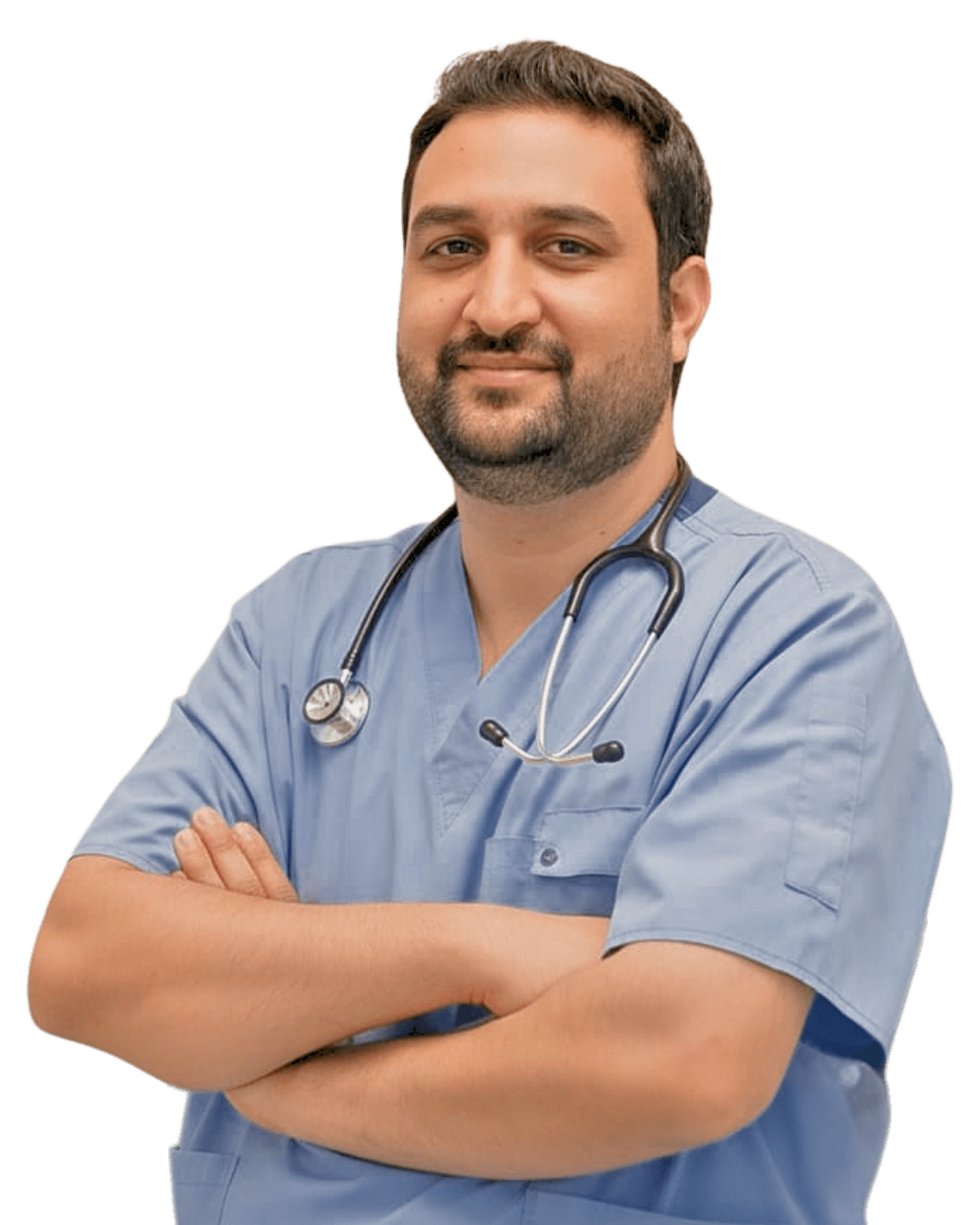
Laparoscopic gynecological surgery is a modern, minimally invasive way to treat many women’s health problems using small cuts instead of traditional open surgery. In Rawalpindi and Islamabad, Pakistan, more women are choosing laparoscopic gynae procedures because they offer less pain, smaller scars, faster recovery, and a quicker return to family and work responsibilities. Under the care of Dr. Adil Shafi, a general and laparoscopic surgeon practicing in Rawalpindi and serving patients from Islamabad as well, these operations are performed with a strong focus on safety, fertility preservation, and cosmetic outcome.

What Are Laparoscopic Gynae Procedures?

Laparoscopic gynae procedures use a thin camera (laparoscope) and fine instruments inserted through tiny incisions in the abdomen, usually near the umbilicus and lower abdomen. The camera sends a magnified, high‑definition image to a monitor, allowing Dr. Adil Shafi to view the uterus, ovaries, fallopian tubes, and pelvic organs in great detail. This advanced technique is used to diagnose and treat various conditions such as endometriosis, ovarian cysts, ectopic pregnancy, fibroids (myomas), and chronic pelvic pain.

In Pakistan, especially in twin cities like Rawalpindi and Islamabad, there is a growing demand for laparoscopic gynecology surgery because it allows women to receive effective treatment while spending less time in the hospital and returning sooner to daily life. These procedures are suitable for both married and unmarried women, and the approach is tailored individually based on symptoms, ultrasound findings, and fertility plans.

Common Conditions Treated Laparoscopically

Several gynecological conditions can be safely and effectively managed by laparoscopic surgery in Rawalpindi and Islamabad:

  • Endometriosis – When tissue similar to the uterine lining grows outside the uterus, on the ovaries, fallopian tubes, or pelvic lining, it can cause severe period pain, painful intercourse, and infertility. Laparoscopic excision or ablation of endometriotic deposits, along with adhesiolysis (removal of scar tissue), is the gold standard treatment.
  • Ovarian cysts – These are fluid‑filled or solid swellings in the ovary. While many cysts are functional and settle on their own, persistent or complex ovarian cysts may need surgical removal. Laparoscopic ovarian cystectomy allows removal of the cyst while preserving normal ovary tissue and future fertility.
  • Ectopic pregnancy – A pregnancy located outside the uterus, usually in the fallopian tube, is a medical emergency and can be life‑threatening if the tube ruptures. Laparoscopic removal of ectopic pregnancy is now standard in most modern centers in Rawalpindi and Islamabad and helps preserve the remaining tube where possible.
  • Fibroids (uterine myomas) – Fibroids are benign growths in the muscular wall of the uterus. When they cause heavy periods, pain, pressure, or infertility, laparoscopic myomectomy may be advised in selected cases, particularly for subserosal and intramural fibroids.
  • Chronic pelvic pain and infertility – Diagnostic laparoscopy is often used to identify causes of long‑standing pelvic pain or difficulty conceiving. During the same procedure, minor problems such as adhesions or small endometriosis spots can often be treated.

By offering these laparoscopic gynae procedures in Rawalpindi and Islamabad, Dr. Adil Shafi helps patients access modern surgical options locally, without needing to travel to other major cities in Pakistan.

Why Choose Laparoscopic Gynae Surgery in Rawalpindi & Islamabad?

Compared with traditional open gynecological surgery, laparoscopy offers several key advantages that are particularly valuable for women in Rawalpindi, Islamabad, and surrounding areas who wish to minimise downtime:

  • Smaller scars and better cosmetic results – Only a few tiny cuts are used, usually 5–10 mm in size, which heal with minimal marks. This is especially appreciated by younger women and brides‑to‑be in the twin cities.
  • Less postoperative pain – Reduced pain means less need for strong painkillers and a more comfortable recovery at home.
  • Shorter hospital stay – Many patients from Rawalpindi and Islamabad can go home the same day or after one night, which reduces cost and time away from family.
  • Faster return to work and daily activities – Most women can resume light housework and office duties within 1–2 weeks, depending on the specific procedure.
  • Better visualization of pelvic organs – The magnified camera view allows Dr. Adil Shafi to see subtle disease, such as small endometriosis spots or fine adhesions, that may be missed in open surgery.

However, patient safety always comes first. In rare cases of severe adhesions, uncontrolled bleeding, or unexpected findings, the operation may be converted to open surgery. This decision is made only to protect the patient and to ensure complete and safe treatment.

How Laparoscopic Gynae Procedures Are Performed

Although each operation is different, most laparoscopic gynecology surgeries in Rawalpindi and Islamabad under Dr. Adil Shafi’s care follow a similar pattern:

  1. Anesthesia and preparation
    You are given general anesthesia so you are completely asleep and feel no pain. The abdomen is cleaned with antiseptic solution and covered with sterile drapes. A urinary catheter may be placed temporarily during surgery.
  2. Creating access and space
    A small cut (usually near the umbilicus) is made, and a special needle or port is inserted. Carbon dioxide gas is gently introduced to inflate the abdomen, creating space so the surgeon can see and work safely.
  3. Camera and instrument placement
    A laparoscope (camera) is inserted through the umbilical port. Two or three additional small cuts are made in the lower abdomen to insert fine instruments. Exact placement depends on whether the surgery involves the ovaries, tubes, uterus, or endometriosis.
  4. Performing the specific procedure
    • For endometriosis, visible lesions are identified and carefully excised or ablated. Adhesions between organs are gently released to restore normal pelvic anatomy and improve fertility.
    • For ovarian cystectomy, the cyst is opened, its contents removed, and the cyst wall peeled off from normal ovary tissue. The ovary is reconstructed with fine sutures if needed.
    • For ectopic pregnancy, the affected tube is examined. Depending on the damage, Dr. Adil Shafi may remove the pregnancy tissue while preserving the tube (salpingostomy) or remove the entire tube (salpingectomy) if it is severely damaged or bleeding.
    • For laparoscopic myomectomy, fibroids are carefully cut out from the uterus, and the uterine muscle is stitched to restore strength and shape, which is important for future pregnancy.
  5. Specimen removal and final inspection
    Removed tissue (such as cysts, fibroids, or ectopic pregnancy) is placed in a retrieval bag and removed through one of the small ports. The pelvis is irrigated and checked for bleeding. The gas is released, instruments are removed, and skin cuts are closed with absorbable sutures or cosmetic stitches.

Most procedures take between 45 minutes and 2 hours, depending on complexity and the number of lesions treated.

Before Surgery: Evaluation by Dr. Adil Shafi

Before any laparoscopic gynecology surgery in Rawalpindi or Islamabad, Dr. Adil Shafi will carry out a full assessment, which usually includes:

  • Detailed medical and menstrual history, including pain pattern, cycle regularity, pregnancy history, and previous miscarriages
  • Physical and pelvic examination where appropriate
  • Pelvic ultrasound to evaluate the uterus, ovaries, cysts, fibroids, or fluid in the pelvis
  • Blood tests, including complete blood count and other relevant parameters
  • Additional tests such as hormone profile or MRI in complex cases

You will be counselled about the diagnosis, treatment options, expected benefits, possible risks, cost factors, and recovery time. For women trying to conceive in Rawalpindi and Islamabad, the surgical plan is designed to preserve fertility as much as possible.

You will be instructed to fast for several hours before surgery, and certain medications (for example, blood thinners) may need adjustment. All questions are addressed before you sign informed consent.

After Surgery: Recovery and Discharge in Rawalpindi & Islamabad

Recovery after laparoscopic gynae procedures with Dr. Adil Shafi is usually rapid and smooth:

  • Pain control – Mild to moderate pain around the incisions and lower abdomen is usual and is typically controlled with oral painkillers. Shoulder tip pain from the gas used during laparoscopy may occur but usually settles within 24–48 hours.
  • Mobilisation – Most patients are encouraged to sit up and walk with assistance on the same day of surgery. Early movement helps prevent blood clots and speeds recovery.
  • Diet – You can usually start drinking water a few hours after surgery and progress to light food as nausea settles.
  • Hospital stay – Many laparoscopic gynae procedures are performed as day‑care surgery in Rawalpindi and Islamabad, meaning you may go home the same day. In more extensive cases, one night in the hospital may be recommended.

You will receive written discharge instructions on wound care, pain medication, activity limitations, and follow‑up appointments with Dr. Adil Shafi at his clinic serving patients from both Rawalpindi and Islamabad.

Returning to Normal Life and Fertility

Most women are pleasantly surprised at how quickly they recover after laparoscopic gynae surgery in Rawalpindi and Islamabad:

  • Light household tasks and office work: usually within 7–10 days
  • Driving: typically after 1 week, once you are comfortable and not taking strong painkillers
  • Heavy lifting or strenuous exercise: generally avoided for 3–4 weeks
  • Sexual activity: usually postponed for about 2 weeks (or as advised), especially after surgery on the uterus or cervix

In women treated for endometriosis, adhesions, or cysts, fertility often improves, and many are able to conceive naturally or with assisted reproductive techniques when needed. You will be advised on the best timing for trying to conceive after your specific procedure.

Risks and When to Seek Help

Although laparoscopic gynecology surgery with Dr. Adil Shafi in Rawalpindi and Islamabad is generally safe, all operations carry some risk. Possible complications include:

  • Bleeding during or after surgery
  • Infection at the incision sites or inside the pelvis
  • Injury to surrounding structures such as bowel, bladder, or ureters (rare but serious)
  • Formation of new adhesions (scar tissue)
  • Need to convert to open surgery for safety reasons

You should contact Dr. Adil Shafi or return to the hospital urgently if you experience:

  • High fever or chills
  • Increasing or severe lower abdominal pain
  • Redness, increasing swelling, or pus from any incision
  • Heavy vaginal bleeding or foul‑smelling discharge
  • Persistent vomiting or inability to pass urine or stool

With proper patient selection, skilled technique, and careful follow‑up, laparoscopic gynae procedures in Rawalpindi and Islamabad, Pakistan, provide excellent results, less disruption to family and work life, and high patient satisfaction under the care of Dr. Adil Shafi.

Frequently Asked Questions

Clear Guidance for Patients

Get straightforward information designed to support your needs and remove confusion around common medical concerns.

 These are minimally invasive surgeries used to treat ovarian cysts, fibroids, endometriosis, and other gynecological conditions.

 Benefits include smaller incisions, less pain, faster recovery, and minimal scarring.

 Most procedures take 1–2 hours depending on the complexity.

Yes, it is considered a safe and advanced surgical method.

 Patients can consult experienced surgeons such as Dr. Adil Shafi in Islamabad and Rawalpindi.
Got Anymore Questions?

Request Your Expert Surgical Consultation

Receive clear, evidence-based guidance tailored to your condition.
Our goal is to help you make informed decisions about your health with confidence & clarity.