Laparoscopic surgery, also known as “keyhole” or “minimal access” surgery, is a modern technique that allows operations through very small cuts instead of one long incision. Many patients from Islamabad and Rawalpindi now prefer this approach because it often means less pain, smaller scars and a quicker return to everyday life. When used in the right cases, laparoscopic surgery can treat the same conditions as traditional open surgery but with a smoother, more comfortable recovery.
During laparoscopic surgery, the surgeon makes a few tiny openings—usually 0.5 to 1 cm—in the abdomen. A thin camera (laparoscope) and delicate instruments are passed through these openings. The camera sends a magnified, high‑definition image to a monitor, giving the surgeon a clear view of the organs. The abdomen is gently filled with gas to create working space, and the operation is performed while watching the screen. Once the procedure is completed, the gas is released and the small cuts are closed with sutures or skin glue.
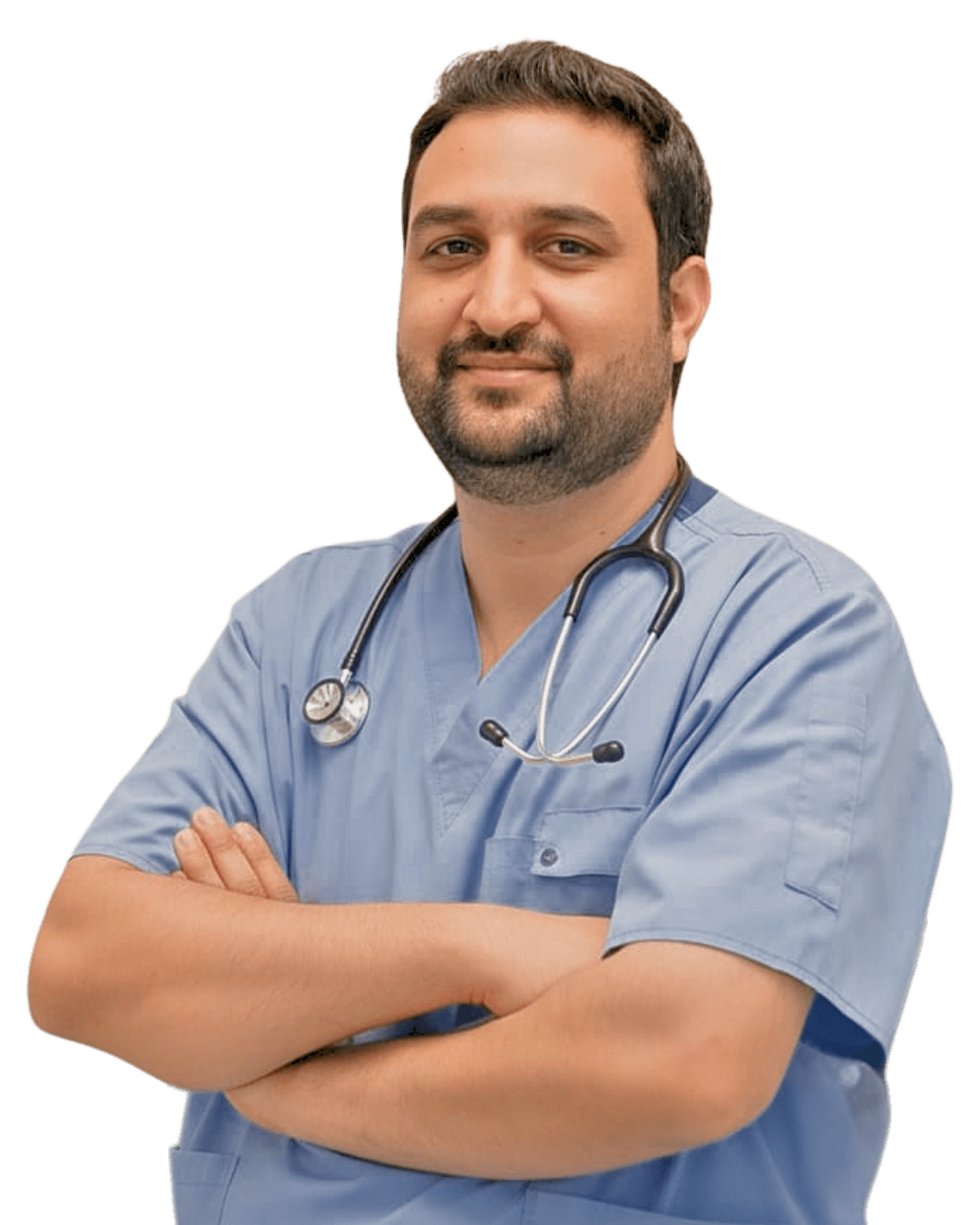
Dr. Adil Shafi is a Consultant General, Bariatric and Laparoscopic Surgeon with advanced training in minimally invasive techniques. He has extensive experience in performing laparoscopic procedures for patients across Islamabad, Rawalpindi and surrounding areas. He combines technical skill with a patient-friendly approach, explaining each step clearly so you understand what is happening and why.
His practice focuses on:
Whether your condition is urgent or planned, he aims to make the whole experience as safe and stress-free as possible.
Laparoscopic surgery can be used for many general surgical conditions, such as:
Laparoscopic gallbladder removal (cholecystectomy) for gallstones and gallbladder inflammation
Laparoscopic appendectomy for appendicitis
Laparoscopic hernia repair (inguinal, umbilical, ventral and incisional hernias)
Laparoscopic treatment of selected intestinal conditions
Laparoscopic anti‑reflux surgery in specific patients
Selected laparoscopic oncologic (cancer‑related) procedures where appropriate
In some situations, diagnostic laparoscopy is performed when tests like ultrasound or CT scan do not fully explain ongoing abdominal pain. This allows direct visualization of the organs and, sometimes, treatment at the same time.
When appropriate, laparoscopic surgery offers several advantages over open surgery:
Smaller scars and a better cosmetic result
Less pain after surgery and lower need for strong painkillers
Reduced risk of wound infections and certain wound‑related complications
Shorter hospital stay and earlier discharge
Faster return to work, study and home responsibilities
These benefits are especially important for working professionals, students and homemakers in Islamabad and Rawalpindi who need to minimize downtime.
Laparoscopy is not always the best option in every situation. Factors such as previous operations, severe infection, very large tumors or advanced disease may make open surgery safer. Sometimes, an operation that begins laparoscopically needs to be converted to an open procedure for safety reasons, for example if visibility is limited or there is unexpected bleeding. This conversion is a careful medical decision made in your best interest, not a failure.
Before advising surgery, Dr. Adil assesses your condition in detail, reviews your investigations and then explains whether laparoscopic or open surgery is safer and more effective in your case.
Before your operation, you may need:
Blood tests and imaging (such as ultrasound or CT scan)
Evaluation of existing medical issues like diabetes or high blood pressure
An assessment with the anesthesia team if required
You will receive clear instructions about fasting, which medications to continue or temporarily stop, and when to arrive at the hospital. On the day of surgery, you will be under general anesthesia, so you will be fully asleep and pain‑free during the procedure.
After laparoscopic surgery, most patients begin sipping clear fluids within a few hours and progress to soft and then regular food as advised. Gentle walking is encouraged early to reduce the risk of blood clots and improve lung function. Pain is usually manageable with oral painkillers.
You will receive guidance on:
How to care for your wounds at home
When you can shower
When you can drive or return to work
Warning signs that mean you should contact the clinic or hospital
Follow‑up visits—conveniently arranged in Islamabad or Rawalpindi—allow Dr. Adil to check healing, review any reports and answer your questions.
Get straightforward information designed to support your needs and remove confusion around common medical concerns.
Patients searching for the best laparoscopic surgeon in Islamabad often look for surgeons experienced in minimally invasive procedures such as gallbladder surgery, hernia repair, and appendectomy. Dr. Adil Shafi, Consultant General, Bariatric & Laparoscopic Surgeon, provides advanced laparoscopic surgical treatment in Islamabad and Rawalpindi using modern minimally invasive techniques.
Laparoscopic surgery is considered safe and often preferred because it involves smaller incisions, less pain, minimal blood loss, and faster recovery compared to traditional open surgery.
Recovery time depends on the type of procedure performed, but most patients recover within 1–2 weeks after laparoscopic surgery, which is much faster than open surgery.
Laparoscopic surgery has a very high success rate when performed by experienced surgeons and is widely used worldwide for many surgical conditions.
Common laparoscopic procedures include laparoscopic cholecystectomy (gallbladder removal), laparoscopic appendectomy, laparoscopic hernia repair, and laparoscopic gastrointestinal surgery.
Request Your Expert Surgical Consultation
Receive clear, evidence-based guidance tailored to your condition.
Our goal is to help you make informed decisions about your health with confidence & clarity.