The thyroid gland plays a crucial role in regulating the body’s metabolism, energy levels, and hormonal balance. Located at the front of the neck, this small butterfly-shaped gland produces hormones that control many essential body functions. When the thyroid gland develops abnormalities such as nodules, enlargement, or cancer, surgical treatment may be required.
Thyroid surgery, also known as thyroidectomy, is a procedure performed to remove part or all of the thyroid gland. This surgery may be necessary for conditions such as thyroid nodules, goiter, hyperthyroidism, or thyroid cancer.
Advances in surgical techniques have made thyroid surgery safer and more effective than ever before. When performed by an experienced surgeon, thyroidectomy can successfully treat thyroid disorders and help restore normal health.
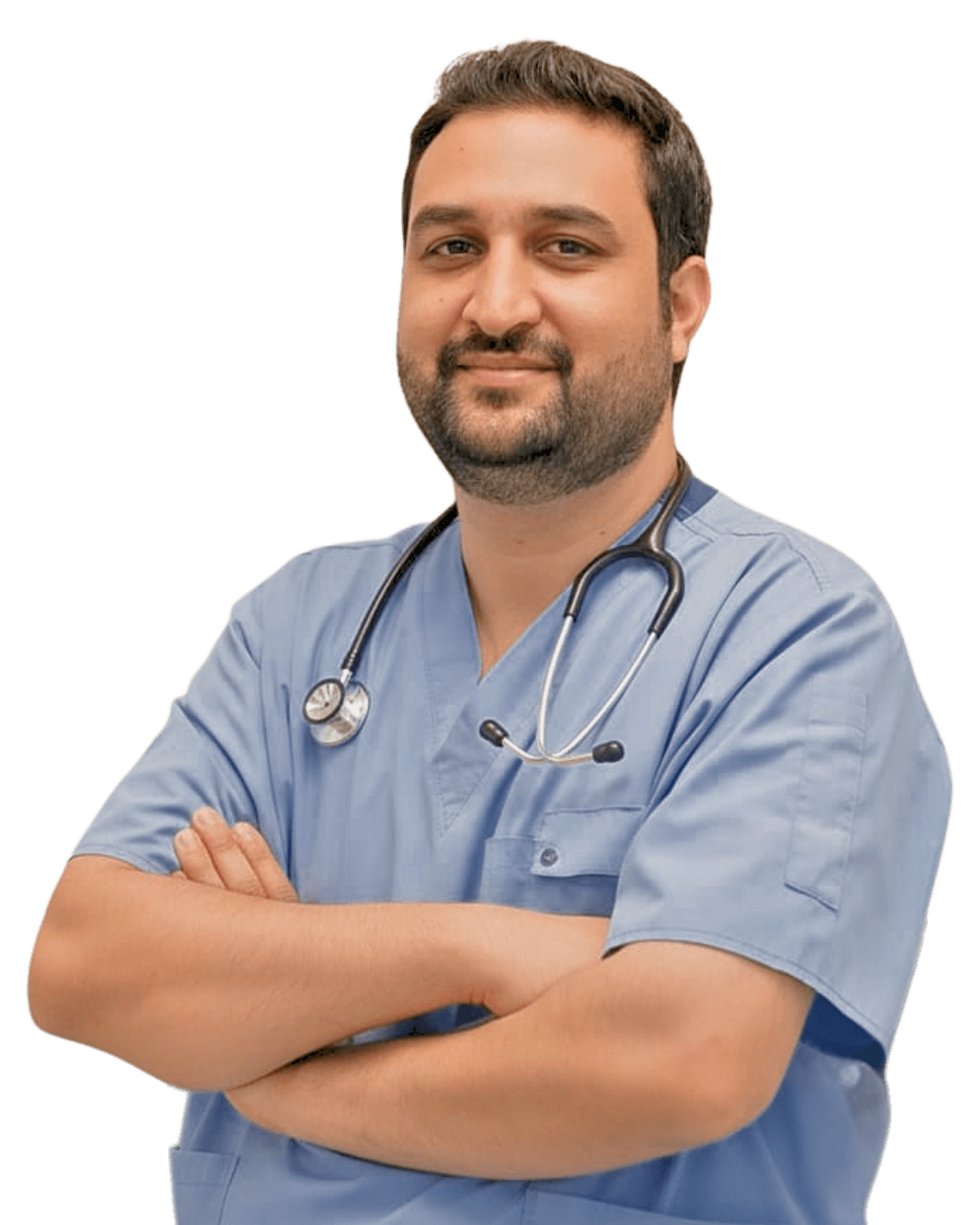
Patients seeking thyroid surgery in Islamabad or Rawalpindi can consult Dr. Adil Shafi, Consultant General, Bariatric & Laparoscopic Surgeon, who provides professional evaluation and surgical treatment for thyroid gland conditions.
Early diagnosis and proper treatment help prevent complications and ensure better long-term outcomes.
Thyroid surgery involves removing either part or the entire thyroid gland depending on the medical condition. The procedure is performed to treat thyroid diseases that cannot be controlled with medication or when abnormal growths require removal.
There are different types of thyroid surgery depending on the extent of the disease.
Partial Thyroidectomy: In this procedure, only a portion of the thyroid gland is removed.
Total Thyroidectomy: The entire thyroid gland is removed when conditions such as cancer or severe disease affect the whole gland.
Lobectomy: Only one lobe of the thyroid gland is removed if the problem is limited to one side.
The choice of procedure depends on the diagnosis, size of the thyroid problem, and the patient’s overall health.
Several thyroid disorders may require surgical treatment. Patients often seek medical evaluation when they notice symptoms related to thyroid enlargement or hormone imbalance.
Common symptoms include:
In many cases, thyroid nodules or goiter may be discovered during routine medical examinations or imaging tests.
If these symptoms occur, medical evaluation is important to determine the cause.
Thyroid diseases can occur for several reasons. Some conditions affect hormone production, while others cause structural changes in the gland.
Thyroid Nodules: Nodules are abnormal growths that form within the thyroid gland. Most nodules are benign, but some may require surgical removal.
Goiter: Goiter refers to enlargement of the thyroid gland. It may develop due to iodine deficiency, hormonal imbalance, or other medical conditions.
Hyperthyroidism: In this condition, the thyroid gland produces excessive hormones, leading to symptoms such as rapid heartbeat, weight loss, and anxiety.
Thyroid Cancer: Although less common, thyroid cancer requires surgical removal of the gland for treatment.
Genetic Factors: Family history may increase the risk of thyroid disorders.
Radiation Exposure: Previous exposure to radiation in the neck area can increase thyroid disease risk.
Understanding these factors helps guide treatment decisions.
Doctors may recommend thyroid surgery when:
Surgery is often recommended when other treatments cannot effectively control the condition.
Proper medical evaluation ensures that surgery is performed only when necessary.
Thyroid surgery is performed in a hospital under general anesthesia.
The procedure usually involves the following steps:
Preoperative Assessment: Before surgery, imaging tests such as ultrasound or CT scans may be performed. Fine needle aspiration biopsy may also be used to examine thyroid nodules.
Surgical Incision: A small incision is made in the lower front part of the neck.
Removal of Thyroid Tissue: The surgeon carefully removes part or all of the thyroid gland while preserving nearby nerves and parathyroid glands.
Hemostasis and Closure: Bleeding is controlled, and the incision is closed with sutures.
The surgery typically takes 1 to 2 hours, depending on the complexity of the condition.
Most patients remain in the hospital for observation after surgery.
Thyroidectomy offers several benefits for patients suffering from thyroid disease.
Treatment of Thyroid Cancer: Surgical removal is often the most effective treatment for thyroid cancer.
Relief from Compression Symptoms: Large goiters can cause difficulty swallowing or breathing, which improves after surgery.
Control of Hormonal Disorders: Surgery can help treat hyperthyroidism when medications are ineffective.
Prevention of Disease Progression: Removing abnormal tissue helps prevent further complications.
Improved Quality of Life: Many patients experience improved health and reduced symptoms after surgery.
Recovery after thyroid surgery is usually smooth when proper care is followed.
Patients are typically advised to:
Some patients may require thyroid hormone replacement medication if the entire gland is removed.
Most patients can resume normal daily activities within one to two weeks, although full recovery may take longer depending on the individual.
You should consult a healthcare professional if you experience:
Early evaluation allows doctors to diagnose thyroid disorders and recommend appropriate treatment before complications occur.
Patients experiencing symptoms of thyroid disease should seek consultation with an experienced surgeon.
Dr. Adil Shafi, Consultant General, Bariatric & Laparoscopic Surgeon, provides professional evaluation and surgical treatment for thyroid disorders in Islamabad and Rawalpindi. Patients receive individualized treatment plans based on their diagnosis, symptoms, and medical history.
Timely surgical treatment can effectively manage thyroid conditions and help restore normal health.
Seeking expert care ensures safe surgery and proper recovery.
Get straightforward information designed to support your needs and remove confusion around common medical concerns.
Thyroid surgery (thyroidectomy) is performed to remove part or all of the thyroid gland to treat thyroid nodules, goiter, or thyroid cancer.
Thyroid surgery may be recommended for thyroid cancer, large thyroid nodules, hyperthyroidism, or multinodular goiter.
Yes, thyroidectomy is considered a safe procedure when performed by experienced surgeons.
Most patients recover within 1–2 weeks after thyroid surgery.
Patients seeking thyroid treatment can consult Dr. Adil Shafi in Islamabad and Rawalpindi.
Request Your Expert Surgical Consultation
Receive clear, evidence-based guidance tailored to your condition.
Our goal is to help you make informed decisions about your health with confidence & clarity.