A hernia is a common medical condition that occurs when an internal organ or tissue pushes through a weak area in the surrounding muscle or connective tissue. Hernias most frequently develop in the abdominal wall and may appear as a noticeable bulge or swelling, especially when standing, coughing, or lifting heavy objects.
While some hernias may initially cause mild discomfort, they often worsen over time and do not heal without surgical treatment. If left untreated, a hernia can grow larger and may lead to serious complications such as intestinal obstruction or strangulation.
One of the most established and effective surgical treatments for this condition is open hernia repair surgery. This procedure involves repairing the weakened muscle area and reinforcing it with surgical techniques that help prevent recurrence.
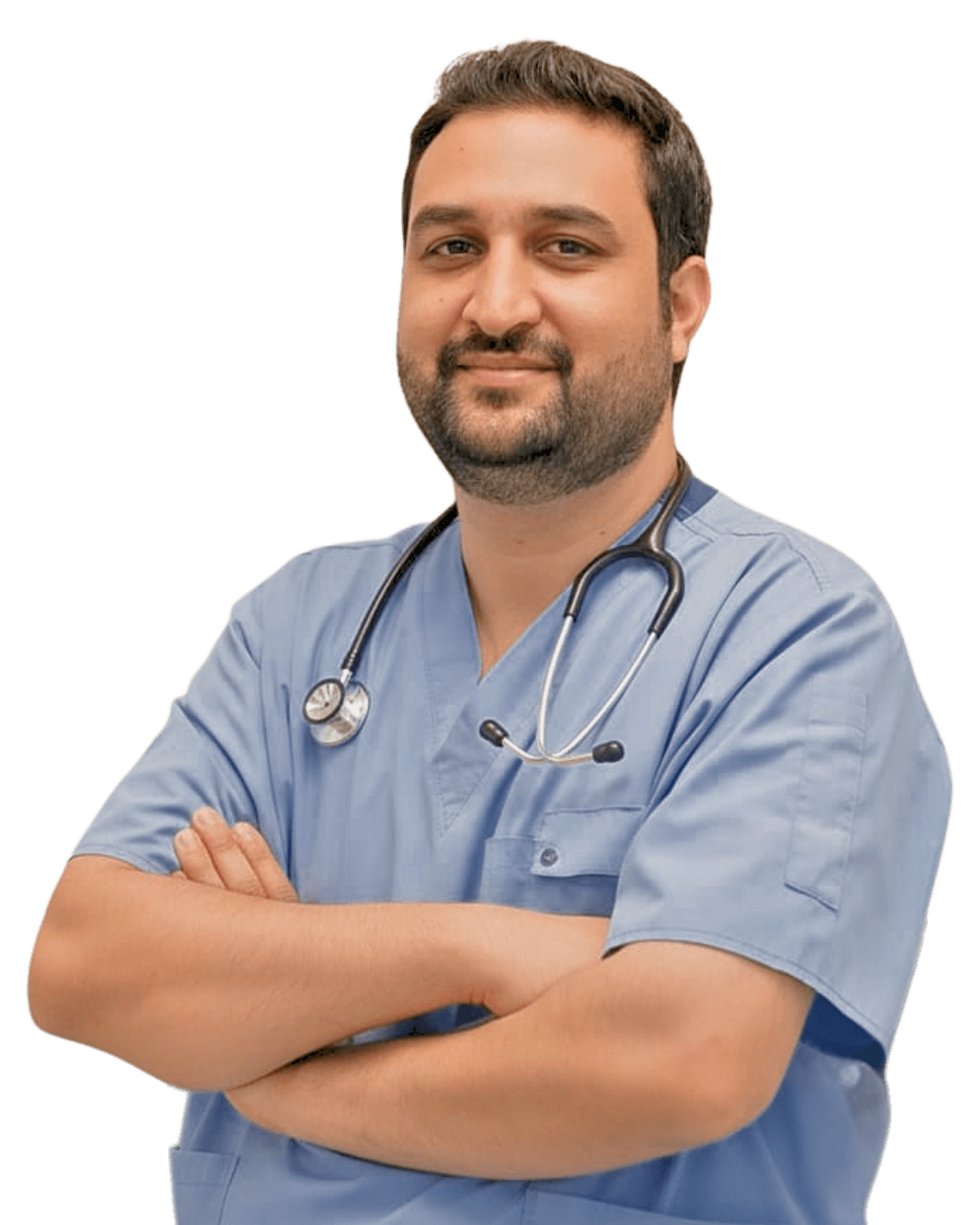
Patients looking for hernia surgery in Islamabad or Rawalpindi can consult Dr. Adil Shafi, Consultant General, Bariatric & Laparoscopic Surgeon, who provides professional evaluation and treatment for various types of hernias.
Early diagnosis and timely surgical treatment can significantly improve outcomes and prevent complications.
Open hernia repair is a surgical procedure used to correct a hernia by repairing the weakened area of the abdominal wall. During the procedure, the surgeon makes a small incision near the hernia site, pushes the protruding tissue back into its proper position, and strengthens the weakened muscle using stitches or a surgical mesh.
The mesh acts as reinforcement for the abdominal wall and helps reduce the risk of the hernia returning.
Open hernia repair has been performed successfully for many decades and remains a widely used and reliable treatment method for several types of hernias.
The procedure can be performed under:
The choice depends on the patient’s condition and the complexity of the hernia.
Most open hernia repair surgeries are completed within 45 to 90 minutes.
Several types of hernias may require surgical repair. The most common types include:
Inguinal Hernia: This is the most common type of hernia and occurs in the groin region. It often appears as a bulge in the lower abdomen or groin area.
Umbilical Hernia: This type occurs near the belly button and is common in both adults and children.
Incisional Hernia: An incisional hernia develops at the site of a previous surgical incision where the abdominal wall has weakened.
Femoral Hernia: Femoral hernias occur in the upper thigh region and are more common in women.
Epigastric Hernia: This type occurs between the chest and the belly button along the midline of the abdomen.
A proper medical evaluation helps determine the type and severity of the hernia and the most appropriate treatment method.
Hernias may develop gradually and may initially cause mild symptoms. However, they can become more noticeable over time.
Common symptoms include:
In some cases, hernias may cause complications such as intestinal obstruction or strangulation, which require emergency treatment.
Hernias usually occur due to a combination of muscle weakness and increased pressure inside the abdomen.
Several factors may increase the risk of developing a hernia.
Heavy Lifting: Repeated lifting of heavy objects can strain abdominal muscles.
Chronic Cough: Persistent coughing increases pressure within the abdomen.
Obesity: Excess body weight puts additional pressure on the abdominal wall.
Previous Surgery: Weakness at surgical incision sites can lead to incisional hernias.
Constipation: Frequent straining during bowel movements can contribute to hernia formation.
Aging: Muscle tissues naturally weaken with age.
Understanding these factors helps patients take preventive measures and seek treatment early.
Hernias do not heal on their own and typically require surgical treatment. Doctors may recommend surgery when:
Delaying treatment can lead to serious complications such as intestinal blockage or reduced blood supply to tissues.
Therefore, timely surgical repair is often recommended.
Open hernia repair follows a carefully planned surgical process.
Preoperative Evaluation: Before surgery, the surgeon evaluates the patient’s medical history and performs a physical examination.
Surgical Incision: A small incision is made near the hernia site.
Repositioning the Tissue: The protruding tissue or intestine is gently pushed back into its normal position.
Reinforcement of the Muscle: The weakened muscle area is strengthened using stitches or surgical mesh.
Closing the Incision: The incision is closed with sutures and covered with a sterile dressing.
The use of surgical mesh has significantly improved long-term success rates and reduced recurrence.
Open hernia repair offers several advantages.
Proven Surgical Technique: Open surgery has been successfully performed for many years.
Effective Hernia Correction: The procedure restores the abdominal wall and prevents further protrusion.
Reduced Recurrence Risk: Mesh reinforcement strengthens the abdominal wall.
Relief from Pain: Patients often experience significant improvement in symptoms after surgery.
Improved Quality of Life: Treating a hernia allows patients to return to normal activities without discomfort.
Recovery after open hernia repair usually depends on the size and complexity of the hernia.
Patients are generally advised to:
Most patients can resume light daily activities within one to two weeks, although full recovery may take several weeks.
Gradual return to physical activity helps ensure proper healing.
You should seek medical consultation if you experience:
Early medical evaluation allows doctors to diagnose the condition and recommend appropriate treatment before complications develop.
Patients experiencing symptoms of hernia should seek evaluation from an experienced surgeon.
Dr. Adil Shafi, Consultant General, Bariatric & Laparoscopic Surgeon, provides professional diagnosis and surgical treatment for hernias in Islamabad and Rawalpindi. Patients receive personalized treatment plans based on the type and severity of the hernia.
Proper surgical treatment not only removes the hernia but also prevents complications and improves long-term health.
Timely consultation ensures safe treatment and faster recovery.
Get straightforward information designed to support your needs and remove confusion around common medical concerns.
Open hernia repair is a surgical procedure where the surgeon repairs the hernia through a small incision and strengthens the abdominal wall using surgical mesh.
Open hernia repair may be recommended for large hernias, complicated cases, or patients who cannot undergo laparoscopic surgery.
Yes, open hernia repair is a safe and widely performed surgical procedure when performed by an experienced surgeon.
Most patients can return to normal daily activities within 2–4 weeks after surgery.
Patients can consult Dr. Adil Shafi for hernia surgery treatment in Islamabad and Rawalpindi.
Request Your Expert Surgical Consultation
Receive clear, evidence-based guidance tailored to your condition.
Our goal is to help you make informed decisions about your health with confidence & clarity.