Piles, also known as hemorrhoids, are a very common condition that affects men and women of all ages. Many people suffer silently with symptoms such as bleeding during bowel movements, pain while passing stool, itching, swelling, or a lump near the anal area. Because the condition involves a sensitive part of the body, patients often delay treatment out of embarrassment or fear. Unfortunately, untreated piles can worsen over time and begin to interfere with daily comfort, work, travel, and even sleep.
The good news is that piles are treatable, and when the condition becomes severe or recurrent, piles surgery can provide long-term relief. Modern hemorrhoid treatment is safer, more effective, and more comfortable than many patients expect. Early consultation helps avoid complications and allows treatment before the disease becomes more painful or advanced.
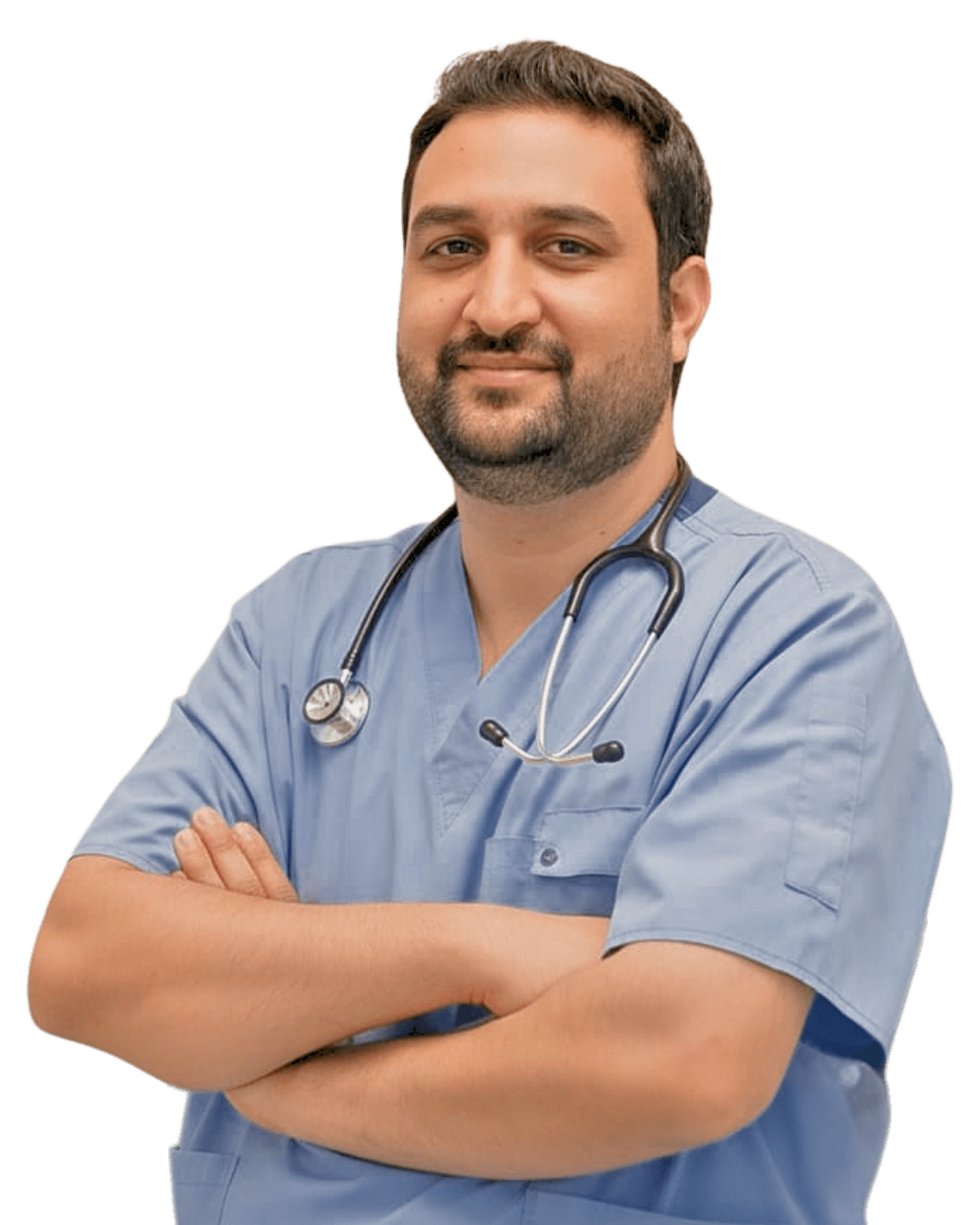
If you are looking for piles treatment in Islamabad or hemorrhoid surgery in Rawalpindi, it is important to seek evaluation from a qualified surgeon. Dr. Adil Shafi, Consultant General, Bariatric & Laparoscopic Surgeon, offers professional assessment and treatment for piles, helping patients regain comfort and confidence with appropriate surgical care.
Piles surgery refers to medical procedures used to treat enlarged or swollen hemorrhoids when medicines, diet changes, and home care are no longer enough. Hemorrhoids develop when veins in the lower rectum or anus become swollen due to increased pressure. In early stages, piles may cause only mild symptoms. In more advanced cases, they can bleed repeatedly, protrude outside the anus, become painful, or form clots.
Surgery is performed to remove, shrink, or reposition these swollen hemorrhoidal tissues depending on the type and severity of the condition. Some of the commonly used procedures include:
The right treatment depends on whether the hemorrhoids are internal, external, thrombosed, prolapsed, or recurrent.
Not every patient with piles needs surgery. Mild hemorrhoids may improve with medical treatment and lifestyle changes. However, surgery may be recommended when symptoms are severe, frequent, or affecting quality of life.
Common symptoms include:
Conditions that may lead to surgical treatment include:
If you are experiencing blood during bowel movement, painful piles, or a persistent anal lump, it is important not to ignore it. Early assessment can prevent progression and rule out other causes of rectal bleeding.
Piles develop due to increased pressure in the veins of the rectum and anus. Several lifestyle and medical factors can increase this pressure and make hemorrhoids more likely.
Common causes and risk factors include:
Chronic Constipation: Repeated straining while passing hard stool is one of the most common causes of piles.
Low-Fiber Diet: A diet low in fruits, vegetables, and whole grains can lead to constipation and bowel strain.
Prolonged Sitting: Sitting for long periods, especially on the toilet, increases pressure on rectal veins.
Pregnancy: Pregnancy increases abdominal pressure and may lead to hemorrhoids.
Obesity: Extra body weight increases strain on pelvic and rectal veins.
Chronic Diarrhea: Frequent bowel movements and irritation can also contribute to piles.
Heavy Lifting: Repeated lifting can increase abdominal pressure over time.
Age: As people get older, the supporting tissues in the rectum become weaker.
Understanding these risk factors is important because treatment is not only about surgery. Long-term prevention also depends on diet, bowel habits, hydration, and reducing unnecessary strain.
Many patients ask: When should piles be operated on? Surgery is usually considered when conservative treatment has failed or when the hemorrhoids are advanced enough to cause ongoing symptoms.
Surgical treatment may be recommended when:
A detailed surgical consultation helps determine whether the patient needs lifestyle management, office-based treatment, or full hemorrhoid surgery.
The exact procedure depends on the type and stage of hemorrhoids. Before surgery, the patient is evaluated through history, physical examination, and sometimes proctoscopic or anorectal examination to confirm the diagnosis.
Hemorrhoidectomy: This is commonly used for large, external, or advanced hemorrhoids. Under anesthesia, the surgeon removes the enlarged hemorrhoidal tissue carefully. This provides definitive relief in many severe cases.
Band Ligation: Mostly used for internal hemorrhoids. A small rubber band is placed at the base of the pile, cutting off blood supply. The tissue shrinks and falls away over time.
Stapled Procedure: This may be used in selected prolapsed internal hemorrhoids. It repositions the tissue and reduces blood flow to the hemorrhoids.
The most suitable option depends on the patient’s anatomy, symptoms, and disease severity. The goal is always to relieve symptoms safely while minimizing recurrence.
Patients often delay surgery because they fear pain or complications, but properly selected hemorrhoid treatment offers major benefits.
Relief from Bleeding: Surgery can stop repeated bleeding that causes anxiety and weakness.
Relief from Pain and Swelling: Large or painful hemorrhoids can be removed or treated effectively.
Better Bowel Comfort: Patients often experience more comfortable bowel movements after recovery.
Improved Daily Life: Walking, sitting, traveling, and working become easier.
Reduced Risk of Recurrence: Compared with repeated temporary treatments, surgery can provide more lasting relief in advanced cases.
Peace of Mind: Persistent rectal symptoms can be stressful. Definitive treatment helps patients regain confidence.
Recovery depends on the type of procedure performed, but good aftercare is essential for comfort and healing.
Patients are generally advised to:
Some discomfort during early recovery is normal, especially after hemorrhoidectomy, but this is manageable with proper medication and care. Most patients gradually return to routine activities as healing progresses.
Preventing constipation after surgery is one of the most important parts of recovery.
You should consult a surgeon if you have:
Importantly, not all rectal bleeding is due to piles. Conditions such as fissures, polyps, infections, and more serious bowel diseases can also cause bleeding. That is why proper medical evaluation matters.
If you are suffering from hemorrhoids and looking for piles surgery in Islamabad, hemorrhoid treatment in Rawalpindi, or expert care for rectal bleeding and anal swelling, Dr. Adil Shafi provides professional surgical consultation and treatment tailored to the patient’s condition.
As a Consultant General, Bariatric & Laparoscopic Surgeon, Dr. Adil Shafi focuses on clear diagnosis, honest guidance, and safe treatment planning. Patients are evaluated carefully so that mild cases are not overtreated and advanced cases receive the appropriate surgical solution at the right time.
For many patients, the biggest relief comes not just from surgery, but from finally understanding the cause of their symptoms and getting the right help without delay.
Get straightforward information designed to support your needs and remove confusion around common medical concerns.
Piles, also known as hemorrhoids, are swollen blood vessels in the rectum or anus that can cause symptoms such as bleeding during bowel movements, pain, itching, and discomfort.
Piles surgery may be recommended when hemorrhoids become large, painful, or do not respond to medications and lifestyle changes. Advanced cases such as third-degree or fourth-degree hemorrhoids often require surgical treatment.
Common surgical treatments for piles include hemorrhoidectomy, band ligation, and minimally invasive hemorrhoid procedures that remove or shrink swollen hemorrhoids.
Modern surgical techniques help minimize pain. Most patients recover within 1–2 weeks, depending on the procedure performed.
Patients searching for piles treatment or hemorrhoid surgery in Islamabad and Rawalpindi can consult Dr. Adil Shafi for safe and effective surgical treatment.
Request Your Expert Surgical Consultation
Receive clear, evidence-based guidance tailored to your condition.
Our goal is to help you make informed decisions about your health with confidence & clarity.