Ovarian cancer is one of the most serious cancers affecting women. It develops in the ovaries, which are part of the female reproductive system and responsible for producing eggs and certain hormones. Because ovarian cancer often develops silently without noticeable symptoms in its early stages, it is frequently diagnosed when the disease has already progressed.
Surgery plays a crucial role in the treatment of ovarian cancer. The main goal of ovarian cancer surgery is to remove the cancerous tumor and surrounding tissues to prevent the disease from spreading further. When performed at an early stage, surgical treatment can significantly improve survival outcomes and allow patients to return to normal life after recovery.
Modern surgical techniques and improved diagnostic methods have made ovarian cancer treatment safer and more effective than ever before. Early medical consultation and proper surgical planning are key to successful treatment.
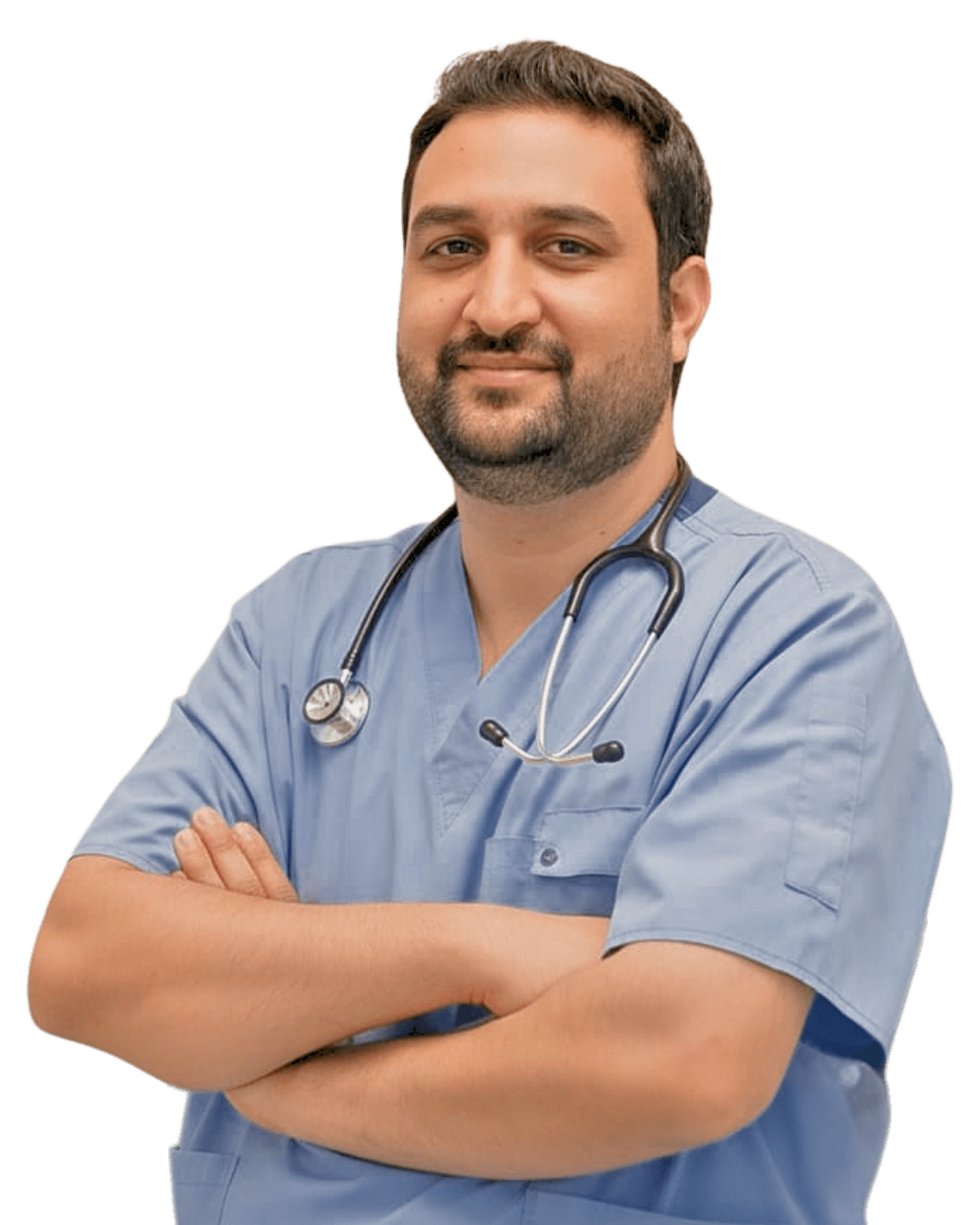
Patients seeking ovarian cancer surgery in Islamabad or Rawalpindi can consult Dr. Adil Shafi, Consultant General, Bariatric & Laparoscopic Surgeon, who provides expert surgical evaluation and treatment for various tumor-related conditions.
Timely diagnosis and professional care can make a significant difference in the successful management of ovarian cancer.
Ovarian cancer develops when abnormal cells in the ovaries begin to grow uncontrollably and form tumors. These cancerous cells can spread to nearby organs within the abdomen or to distant parts of the body if not treated early.
There are several types of ovarian cancer depending on the type of cells involved.
Epithelial Ovarian Cancer: This is the most common type and develops from the outer surface of the ovary.
Germ Cell Tumors: These tumors develop from the cells that produce eggs and usually occur in younger women.
Stromal Tumors: These tumors develop from hormone-producing tissues within the ovary.
Although ovarian cancer can occur at any age, it is more common in women over the age of 50.
Because symptoms may be subtle or vague, regular medical checkups and awareness of symptoms are important for early detection.
Ovarian cancer symptoms can sometimes resemble common digestive or abdominal problems, which may delay diagnosis.
Common symptoms include:
These symptoms may occur for many reasons, but persistent or worsening symptoms should always be evaluated by a medical professional.
Early diagnosis greatly improves the chances of successful treatment.
While the exact cause of ovarian cancer is not always known, several risk factors may increase the likelihood of developing the disease.
Age: The risk increases with age, particularly after menopause.
Family History: Women with a family history of ovarian or breast cancer may have a higher risk.
Genetic Mutations: Inherited mutations such as BRCA1 and BRCA2 can increase cancer risk.
Hormonal Factors: Certain hormonal conditions may influence ovarian cancer risk.
Endometriosis: This condition has been associated with a higher risk of certain ovarian cancers.
Obesity: Excess body weight may contribute to hormonal imbalances and increased cancer risk.
Understanding these risk factors helps women take preventive measures and seek early medical screening.
Surgery is usually the primary treatment for ovarian cancer, especially when the tumor is localized.
Doctors may recommend ovarian cancer surgery when:
In many cases, surgery is combined with chemotherapy to destroy remaining cancer cells and reduce the risk of recurrence.
Treatment plans are personalized based on the stage of cancer and the patient’s overall health.
Several surgical procedures may be used to treat ovarian cancer depending on the stage of the disease.
Oophorectomy: This procedure involves removing one or both ovaries.
Salpingo-Oophorectomy: This surgery removes the ovaries along with the fallopian tubes.
Hysterectomy: In some cases, the uterus may also be removed to prevent the spread of cancer.
Debulking Surgery: This procedure removes as much of the tumor as possible when the cancer has spread within the abdomen.
The exact surgical approach depends on the tumor size, location, and stage.
Ovarian cancer surgery is performed in a hospital under general anesthesia.
The procedure typically includes several important steps.
Preoperative Assessment: Doctors conduct imaging tests such as ultrasound, CT scans, MRI, and blood tests to determine the extent of the disease.
Surgical Removal of Tumor: The surgeon removes the tumor along with affected reproductive organs if necessary.
Lymph Node Evaluation: Nearby lymph nodes may be removed to check whether cancer has spread.
Tissue Examination: The removed tissue is analyzed in a laboratory to determine the cancer stage.
Closing the Surgical Site: The incision is closed carefully to allow proper healing.
The duration of surgery depends on the complexity of the case and the stage of the cancer.
Ovarian cancer surgery provides several important benefits for patients.
Removal of Cancerous Tissue: Surgery eliminates the primary tumor and helps prevent further spread.
Improved Survival Rates: Early surgical treatment greatly improves survival chances.
Accurate Cancer Staging: Examining the removed tissue helps doctors determine the cancer stage and guide further treatment.
Relief from Symptoms: Patients often experience relief from abdominal pain and swelling after surgery.
Better Long-Term Outcomes: Surgery combined with chemotherapy offers effective long-term cancer management.
Recovery from ovarian cancer surgery requires careful monitoring and postoperative care.
Patients are typically advised to:
Recovery time varies depending on the extent of the surgery. Many patients gradually return to normal daily activities within several weeks.
Emotional support and counseling can also help patients during the recovery process.
Women diagnosed with ovarian tumors should consult an experienced surgeon for proper evaluation and treatment planning.
Dr. Adil Shafi, Consultant General, Bariatric & Laparoscopic Surgeon, provides expert surgical care for tumor-related conditions in Islamabad and Rawalpindi. His treatment approach focuses on accurate diagnosis, advanced surgical techniques, and compassionate patient care.
Each patient receives a personalized treatment plan designed to achieve the best possible outcomes while ensuring safety and comfort.
Early consultation significantly improves the chances of successful ovarian cancer treatment.
Get straightforward information designed to support your needs and remove confusion around common medical concerns.
Ovarian cancer surgery removes tumors from the ovaries and surrounding tissues to treat ovarian cancer.
Surgery may involve removal of ovaries, fallopian tubes, uterus, or affected lymph nodes.
In selected cases, minimally invasive laparoscopic surgery may be used.
Recovery usually takes 4–6 weeks depending on the procedure.
Patients can consult experienced surgeons such as Dr. Adil Shafi in Islamabad and Rawalpindi.
Request Your Expert Surgical Consultation
Receive clear, evidence-based guidance tailored to your condition.
Our goal is to help you make informed decisions about your health with confidence & clarity.