Breast cancer is one of the most common cancers affecting women worldwide. Early detection and timely treatment play a critical role in improving survival rates and quality of life. Breast cancer surgery is often the most important part of treatment, especially when the disease is detected at an early stage.
Breast cancer surgery involves removing cancerous tissue from the breast to prevent the disease from spreading to other parts of the body. The goal of surgery is to remove the tumor while preserving as much healthy tissue as possible and ensuring complete cancer removal.
Modern surgical techniques have significantly improved breast cancer treatment outcomes. Today, many women diagnosed with breast cancer can undergo safe and effective surgery followed by additional therapies such as chemotherapy, radiation therapy, or hormonal treatment when necessary.
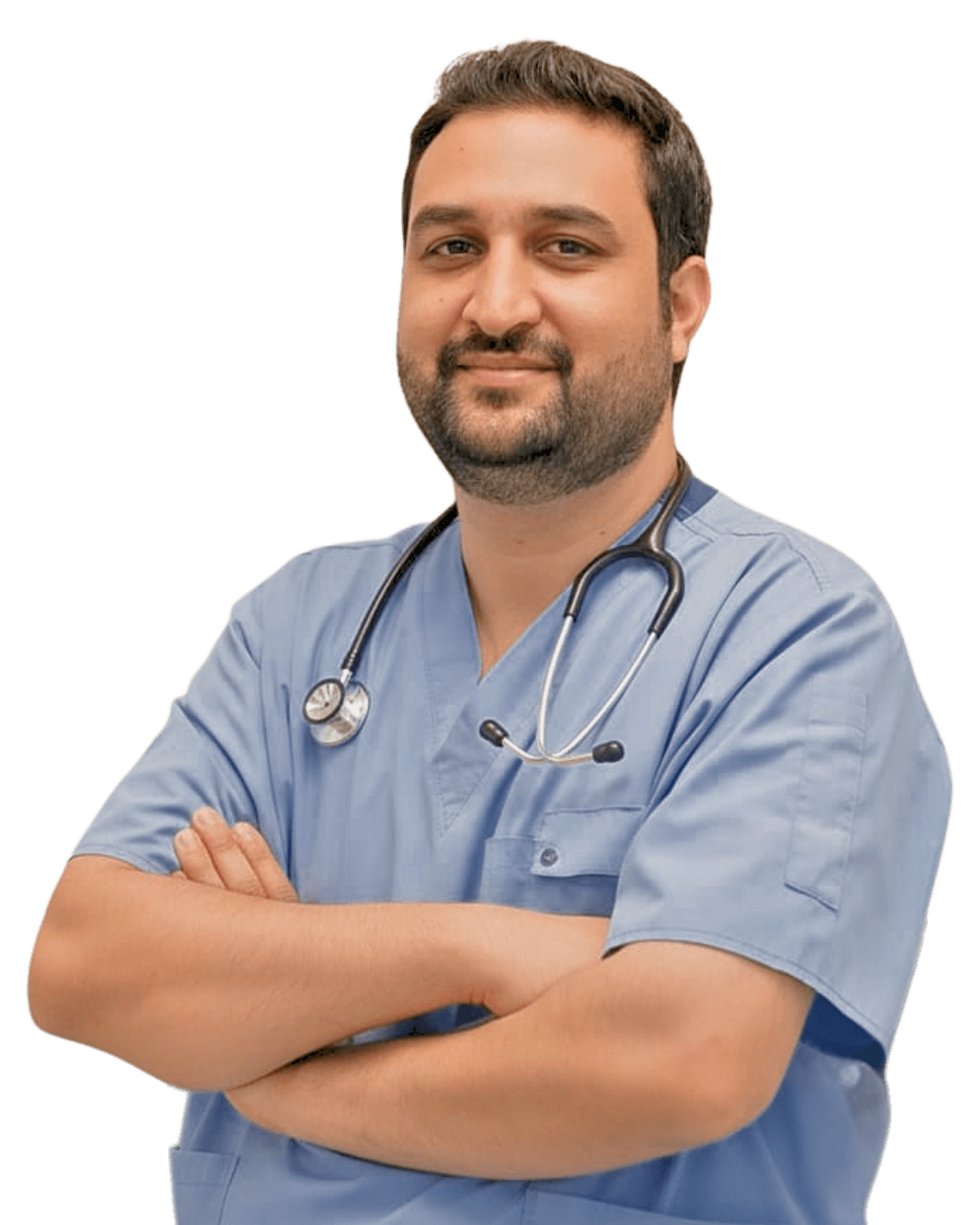
Patients seeking breast cancer surgery in Islamabad or Rawalpindi can consult Dr. Adil Shafi, Consultant General, Bariatric & Laparoscopic Surgeon, who provides expert surgical evaluation and treatment for various types of tumors and cancer-related conditions.
Early consultation and diagnosis greatly improve treatment outcomes and recovery.
Breast cancer develops when abnormal cells in the breast begin to grow uncontrollably. These cells can form a tumor that may spread to nearby tissues or other organs if not treated promptly.
Breast cancer can affect women of all ages, although it is more common in women over the age of 40. In rare cases, men can also develop breast cancer.
The disease may begin in different parts of the breast, including the milk ducts, lobules, or surrounding tissue.
Regular breast examinations, mammography, and medical checkups are important for early detection.
Breast cancer may present with several symptoms. However, in many cases, early breast cancer may not cause noticeable signs.
Common symptoms include:
Any unusual changes in the breast should be evaluated by a medical professional as soon as possible.
Early detection significantly increases the chances of successful treatment.
There are different surgical approaches used to treat breast cancer. The choice of procedure depends on the stage of the cancer, tumor size, and patient health.
Lumpectomy (Breast-Conserving Surgery): In this procedure, only the tumor and a small portion of surrounding tissue are removed while preserving the rest of the breast.
This approach is commonly used in early-stage breast cancer.
Mastectomy: Mastectomy involves removing the entire breast tissue. It may be recommended when the tumor is large or when multiple areas of the breast are affected.
Sentinel Lymph Node Biopsy: This procedure removes a few lymph nodes to determine whether cancer has spread.
Axillary Lymph Node Dissection: If cancer spreads to nearby lymph nodes, additional nodes may need to be removed.
The specific surgical approach is determined after detailed medical evaluation.
While the exact cause of breast cancer is not always known, several factors may increase the risk.
Age: The risk increases with age, especially after 40.
Family History: Women with a family history of breast cancer may have a higher risk.
Hormonal Factors: Long-term hormonal exposure may contribute to the development of breast cancer.
Genetic Mutations: Certain inherited gene mutations can increase breast cancer risk.
Lifestyle Factors: Obesity, smoking, and lack of physical activity may contribute to cancer risk.
Understanding these risk factors helps patients take preventive measures and seek early medical screening.
Breast cancer surgery may be recommended when:
Surgery is often combined with other treatments such as chemotherapy, radiation therapy, or hormone therapy depending on the stage of the cancer.
Early surgical treatment significantly improves survival rates.
Breast cancer surgery is usually performed in a hospital under general anesthesia.
The procedure generally includes the following steps:
Preoperative Assessment: Doctors perform diagnostic tests such as mammography, ultrasound, MRI, and biopsy to determine the nature of the tumor.
Surgical Removal of Tumor: The surgeon removes the tumor along with surrounding tissue to ensure complete removal of cancer cells.
Lymph Node Evaluation: Nearby lymph nodes may be examined to check if cancer has spread.
Closure of Surgical Site: The incision is closed carefully to promote proper healing.
The duration of surgery depends on the type of procedure being performed.
Breast cancer surgery provides several important benefits.
Removal of Cancerous Tissue: Surgery removes the primary tumor and prevents further spread.
Improved Survival Rate: Early surgical treatment significantly increases survival chances.
Accurate Diagnosis: The removed tissue is analyzed to determine cancer stage and guide further treatment.
Relief from Symptoms: Surgery may relieve pain and discomfort caused by tumors.
Long-Term Cancer Control: Combined with other therapies, surgery plays a key role in long-term cancer management.
Recovery varies depending on the type of surgery performed.
Patients are usually advised to:
Most patients gradually resume normal activities within several weeks.
Emotional support and counseling may also help patients during recovery.
Patients diagnosed with breast tumors should consult an experienced surgeon for proper evaluation and treatment.
Dr. Adil Shafi, Consultant General, Bariatric & Laparoscopic Surgeon, provides expert surgical care for tumor-related conditions in Islamabad and Rawalpindi. Each patient receives personalized treatment planning based on their diagnosis, medical history, and overall health.
With modern surgical techniques and patient-centered care, Dr. Adil Shafi focuses on providing safe cancer surgery and supporting patients throughout the treatment journey.
Early consultation improves treatment outcomes and helps patients receive timely care.
Get straightforward information designed to support your needs and remove confusion around common medical concerns.
Breast cancer surgery involves removing cancerous tissue from the breast to treat or control the disease.
Procedures include lumpectomy, mastectomy, and lymph node removal.
Recovery usually takes 2–6 weeks depending on the procedure.
Yes, modern breast cancer surgery is safe when performed by experienced surgeons.
Patients can consult Dr. Adil Shafi for surgical cancer treatment in Islamabad and Rawalpindi.
Request Your Expert Surgical Consultation
Receive clear, evidence-based guidance tailored to your condition.
Our goal is to help you make informed decisions about your health with confidence & clarity.