Obesity has become one of the most serious health concerns worldwide. Excess body weight not only affects physical appearance but also increases the risk of several life-threatening medical conditions such as type 2 diabetes, high blood pressure, heart disease, sleep apnea, fatty liver disease, and joint problems. For individuals who struggle to lose weight through diet and exercise alone, bariatric surgery offers an effective and long-term solution.
One of the most effective and widely performed bariatric procedures is gastric bypass surgery. This surgery helps patients achieve significant weight loss by altering the digestive system so that the body consumes and absorbs fewer calories.
Gastric bypass surgery has helped thousands of patients worldwide regain control of their health, improve their quality of life, and reduce the risk of serious obesity-related diseases.
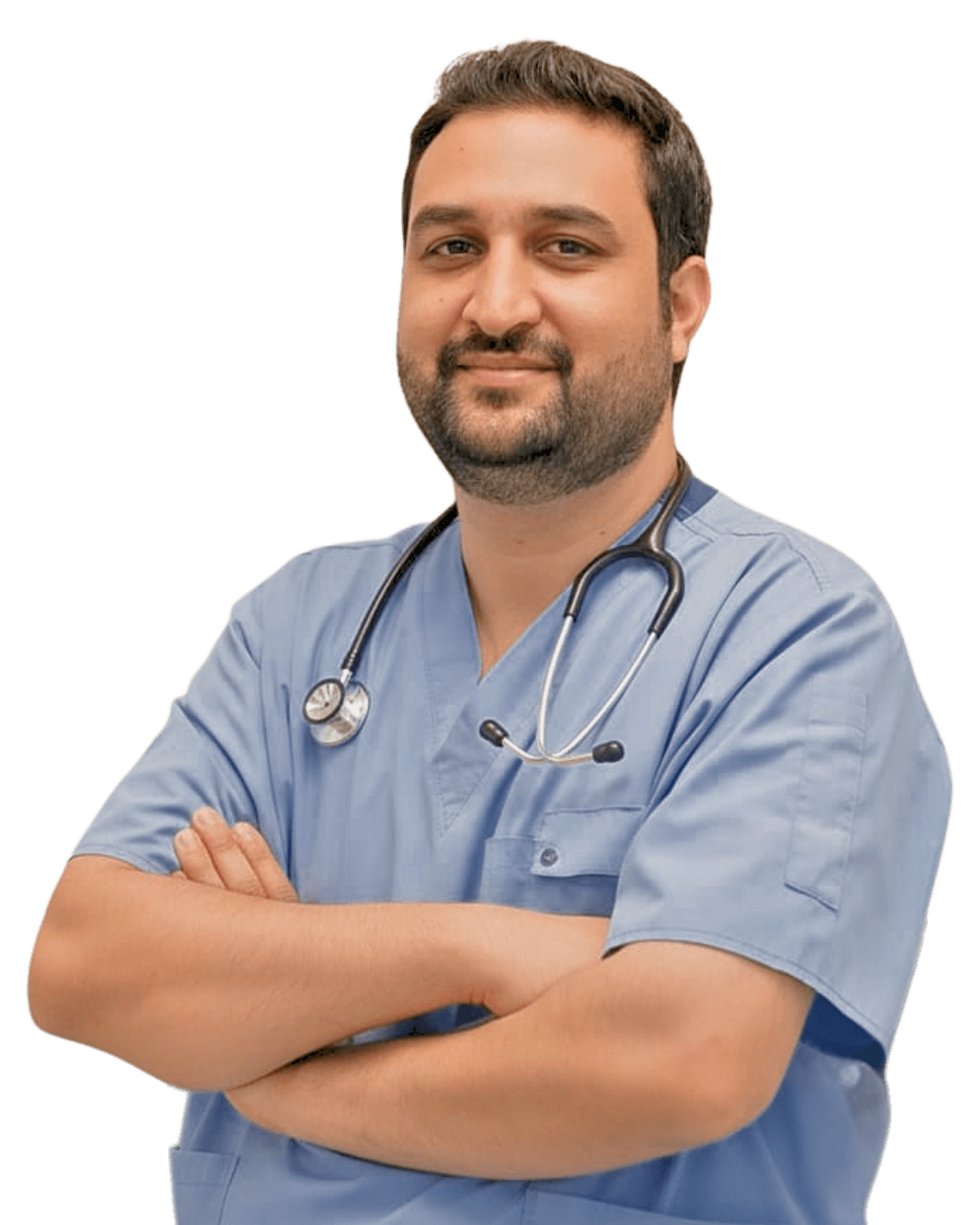
Patients searching for gastric bypass surgery in Islamabad or Rawalpindi can consult Dr. Adil Shafi, Consultant General, Bariatric & Laparoscopic Surgeon, who provides advanced bariatric procedures using modern minimally invasive techniques.
With proper surgical care, lifestyle guidance, and follow-up support, gastric bypass surgery can lead to sustainable weight loss and improved overall health.
Gastric bypass surgery, also known as Roux-en-Y gastric bypass, is a bariatric procedure that helps patients lose weight by reducing the size of the stomach and changing the way food moves through the digestive system.
During the procedure:
Because of this change:
This combination leads to significant and sustained weight loss.
Gastric bypass surgery is usually recommended for patients with severe obesity who have not achieved successful weight loss through traditional methods such as diet and exercise.
Candidates may include individuals with:
Before surgery, patients undergo a comprehensive evaluation that includes medical history, physical examination, and nutritional assessment.
One of the most important benefits of gastric bypass surgery is its ability to improve or even resolve many obesity-related health conditions.
Type 2 Diabetes: Many patients experience significant improvement or complete remission of diabetes after surgery.
High Blood Pressure: Weight loss often helps normalize blood pressure levels.
Sleep Apnea: Patients with sleep apnea frequently experience improved breathing during sleep.
Fatty Liver Disease: Losing weight reduces fat accumulation in the liver.
Joint Pain: Reduced body weight places less stress on joints, especially the knees and spine.
High Cholesterol: Metabolic improvements often lead to better cholesterol levels.
These improvements greatly enhance overall health and longevity.
Gastric bypass surgery is typically performed using laparoscopic (minimally invasive) techniques.
This approach involves making small incisions in the abdomen through which surgical instruments and a camera are inserted.
The procedure involves several steps:
Creation of a Small Stomach Pouch: The surgeon divides the stomach to create a small pouch roughly the size of an egg. This limits the amount of food that can be consumed.
Bypassing Part of the Small Intestine: The small intestine is divided and connected to the stomach pouch, allowing food to bypass a portion of the digestive tract.
Reconnection of Digestive Pathways: The remaining intestine is reconnected to ensure proper digestion and nutrient absorption.
The surgery usually takes two to three hours, and most patients stay in the hospital for two to three days.
Gastric bypass surgery provides numerous health benefits beyond weight loss.
Significant Weight Loss: Patients often lose 60–80% of their excess body weight within the first two years.
Improvement in Metabolic Health: The procedure improves insulin sensitivity and metabolic function.
Reduced Risk of Heart Disease: Weight loss improves cholesterol, blood pressure, and cardiovascular health.
Increased Energy Levels: Patients often experience improved mobility and physical activity.
Improved Quality of Life: Weight loss can lead to greater confidence, improved mental health, and better overall well-being.
Recovery after gastric bypass surgery is usually smooth when patients follow medical instructions carefully.
Patients are encouraged to:
The diet after surgery usually progresses through several stages:
Most patients return to normal activities within three to four weeks.
Long-term success after gastric bypass surgery requires commitment to healthy lifestyle habits.
Important changes include:
Healthy Eating Habits: Patients must eat smaller portions and avoid high-calorie foods.
Regular Physical Activity: Exercise helps maintain weight loss and improves overall health.
Nutritional Supplements: Because nutrient absorption changes after surgery, vitamins and supplements may be required.
Regular Medical Follow-Up: Routine checkups ensure proper recovery and long-term health.
These changes help maintain sustainable weight loss and maximize the benefits of surgery.
Like any surgical procedure, gastric bypass surgery carries certain risks, but it is generally considered safe when performed by experienced surgeons.
Possible risks include:
However, serious complications are uncommon, and the health benefits often far outweigh the risks for patients with severe obesity.
Careful patient selection, modern surgical techniques, and proper follow-up care greatly reduce complications.
Patients considering weight loss surgery should seek consultation with a qualified bariatric surgeon who can evaluate their condition and recommend the most appropriate treatment.
Dr. Adil Shafi, Consultant General, Bariatric & Laparoscopic Surgeon, offers advanced bariatric procedures including gastric bypass surgery for patients struggling with severe obesity.
Individuals searching for gastric bypass surgery in Islamabad or Rawalpindi can receive personalized care, comprehensive evaluation, and modern minimally invasive surgical treatment.
The goal is not only weight loss but also long-term health improvement and enhanced quality of life.
Get straightforward information designed to support your needs and remove confusion around common medical concerns.
Gastric bypass surgery is a weight loss procedure that reduces stomach size and reroutes the digestive tract to limit calorie absorption.
Patients typically lose 60–80% of excess body weight after gastric bypass surgery.
Yes, advanced gastric bypass surgery is performed by experienced bariatric surgeons including Dr. Adil Shafi.
Most patients return to normal activities within 2–4 weeks after laparoscopic gastric bypass surgery.
Yes, gastric bypass surgery often leads to significant improvement or remission of type 2 diabetes.
Request Your Expert Surgical Consultation
Receive clear, evidence-based guidance tailored to your condition.
Our goal is to help you make informed decisions about your health with confidence & clarity.