Bariatric surgery is a specialized area of surgery that helps people with obesity achieve significant, long‑term weight loss and improve weight‑related health problems. Many patients from Islamabad and Rawalpindi have already tried diets, exercise plans and medicines without lasting success. Bariatric procedures offer a medical and surgical solution that changes how the body handles food, appetite and calories, making it easier to lose weight and keep it off with the right lifestyle support.
Obesity is a recognized medical condition, not just a cosmetic concern. It increases the risk of diabetes, high blood pressure, heart disease, sleep apnea, joint pain and many other problems. Bariatric surgery works by reducing the size of the stomach and sometimes altering the path of food through the intestines. This leads to earlier fullness, reduced hunger, hormonal changes and fewer calories absorbed from meals.
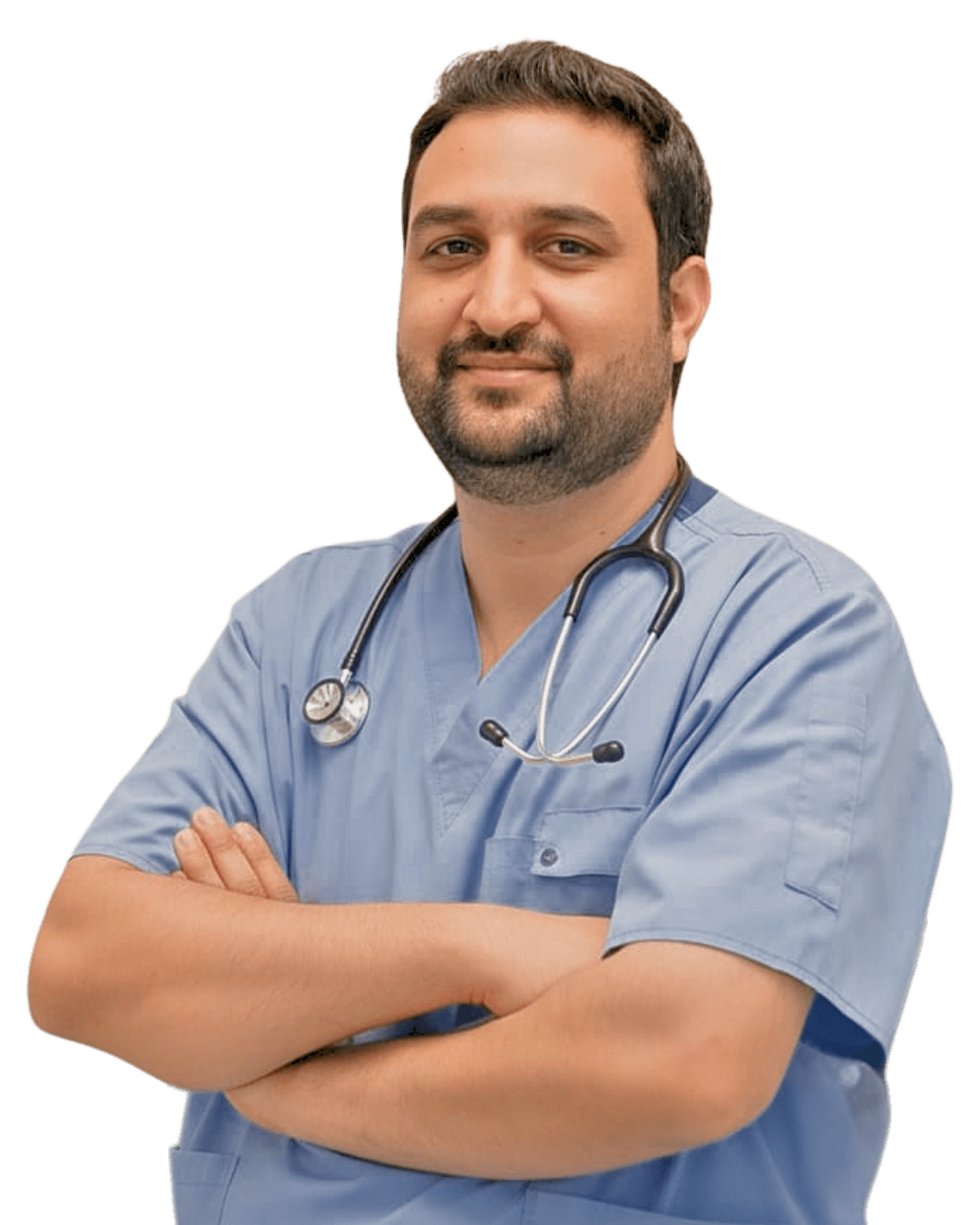
As a bariatric and laparoscopic surgeon, Dr. Adil Shafi understands that weight struggles are complex and deeply personal. He sees many patients from Islamabad and Rawalpindi who have tried multiple diets and exercise programmes without achieving the results they want. In consultations, his focus is on listening without judgement, understanding your past attempts and current health, and then designing a safe, realistic plan.
His approach includes:
Detailed medical evaluation and history
Explanation of all suitable bariatric options in simple language
Discussion of risks, benefits and expected lifestyle changes
Emphasis on long‑term follow‑up and support
He views bariatric surgery as a tool to help you, not a quick fix, and he works with you to make that tool as effective as possible.
You may be considered for bariatric surgery if:
You have severe obesity (for example, high BMI)
You have obesity‑related conditions like type 2 diabetes, high blood pressure, severe sleep apnea or joint disease
You have tried supervised diet, exercise and medicines without lasting results
You are willing to commit to long‑term follow‑up and lifestyle change
Assessment may include blood tests, imaging, heart and lung evaluation and, in some cases, opinions from other specialists.
Before advising surgery, Dr. Adil assesses your condition in detail, reviews your investigations and then explains whether laparoscopic or open surgery is safer and more effective in your case.
Before surgery, you may be advised to:
Follow a specific preoperative diet
Stop smoking
Adjust certain medications
Attend nutritional and lifestyle counselling
These steps make surgery safer and help you prepare mentally and physically.
The operation is usually performed laparoscopically under general anesthesia. Most patients stay in hospital for one to a few days, depending on the type of surgery and their recovery.
After the procedure:
Your diet progresses from liquids to pureed foods, then soft foods and finally regular healthy meals
You learn to eat slowly, chew thoroughly and stop as soon as you feel comfortably full
You are guided on protein intake, hydration and vitamin supplementation
Regular follow‑up appointments in Islamabad/Rawalpindi track your progress and adjust your plan as needed
With successful bariatric surgery and lifestyle change, many patients experience:
Better or even normal blood sugar levels in type 2 diabetes
Improved blood pressure and cholesterol
Less joint and back pain
Better sleep and reduced snoring or sleep apnea
More energy and physical activity
Higher confidence and improved quality of life
These changes can positively affect work, family life and social interactions.
Like all major surgery, bariatric procedures have risks, including bleeding, infection, leakage, blood clots and nutrient deficiencies. These are reduced with proper preparation, experienced surgery and structured follow‑up. Dr. Adil discusses these risks clearly and explains how they are monitored and managed.
If you are considering bariatric surgery and live in Islamabad, Rawalpindi or nearby areas, you can book a consultation with Dr. Adil Shafi to understand your options and decide whether surgery is right for you.
Get straightforward information designed to support your needs and remove confusion around common medical concerns.
The cost of bariatric surgery in Pakistan varies depending on the procedure, hospital, and surgeon. Procedures such as gastric sleeve surgery or gastric bypass surgery may have different costs based on complexity and medical requirements.
The most commonly recommended procedures include sleeve gastrectomy and gastric bypass surgery. The best option depends on the patient’s weight, medical conditions, and treatment goals.
Bariatric or metabolic surgery can significantly improve type 2 diabetes and in many cases lead to remission by improving insulin sensitivity and hormonal balance.
Most patients lose 50–80% of their excess body weight within 12–18 months after bariatric surgery.
Yes, bariatric surgery is considered safe when performed by experienced surgeons using modern laparoscopic techniques.
Request Your Expert Surgical Consultation
Receive clear, evidence-based guidance tailored to your condition.
Our goal is to help you make informed decisions about your health with confidence & clarity.