Esophageal cancer is a serious condition that affects the esophagus, the muscular tube that carries food from the mouth to the stomach. When cancer develops in this area, it can interfere with swallowing and digestion, and if not treated early, it may spread to nearby organs or lymph nodes.
Surgery is one of the most important treatments for esophageal cancer, particularly when the disease is detected at an early or moderate stage. Esophageal cancer surgery involves removing the cancerous portion of the esophagus and reconnecting the digestive tract to restore normal swallowing.
Advances in surgical techniques have significantly improved the safety and success of this procedure. With proper diagnosis and expert surgical care, many patients can achieve good outcomes and improved quality of life.
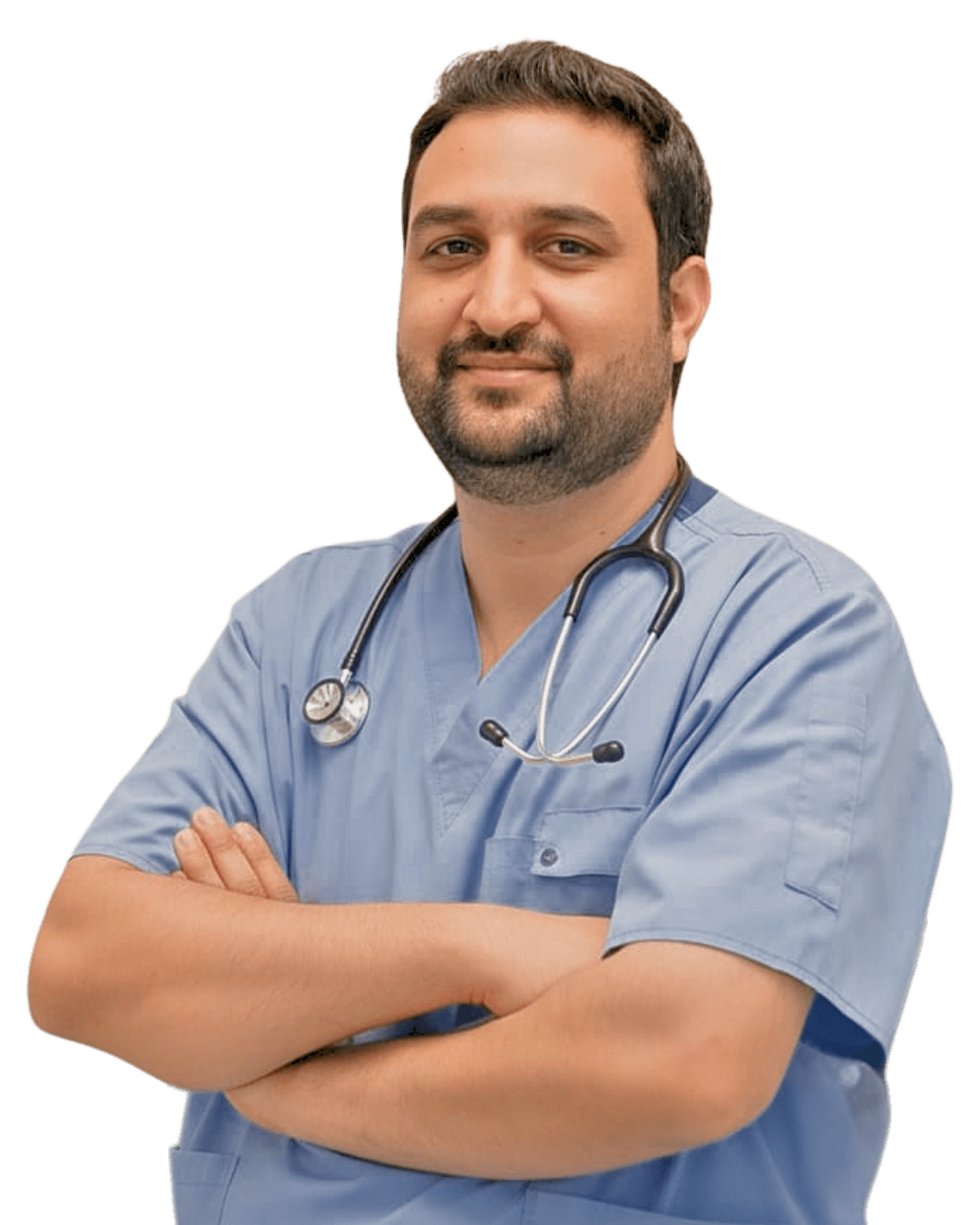
Patients seeking esophageal cancer surgery in Islamabad or Rawalpindi can consult Dr. Adil Shafi, Consultant General, Bariatric & Laparoscopic Surgeon, who provides expert evaluation and surgical treatment for gastrointestinal cancers.
Early diagnosis and timely treatment play a critical role in successful cancer management.
Esophageal cancer occurs when abnormal cells grow uncontrollably in the lining of the esophagus. Over time, these cells can form tumors that may block the passage of food or spread to other parts of the body.
There are two main types of esophageal cancer.
Squamous Cell Carcinoma: This type develops in the cells lining the esophagus and is often linked to smoking and alcohol consumption.
Adenocarcinoma: This type usually occurs in the lower part of the esophagus and is commonly associated with acid reflux or obesity.
Both types can grow slowly at first but may become aggressive if not treated promptly.
Because symptoms often appear later in the disease, early screening and medical evaluation are important for people at risk.
The most common symptom of esophageal cancer is difficulty swallowing, also known as dysphagia. As the tumor grows, it can narrow the esophagus and make swallowing increasingly difficult.
Other symptoms may include:
These symptoms can also occur in other digestive conditions, but persistent problems should always be evaluated by a doctor.
Early medical consultation can help detect cancer before it spreads.
Although the exact cause of esophageal cancer is not always known, several risk factors may increase the likelihood of developing the disease.
Chronic Acid Reflux: Long-term acid reflux can damage the esophageal lining and increase cancer risk.
Barrett’s Esophagus: This condition involves abnormal changes in the cells lining the esophagus and is associated with increased cancer risk.
Smoking: Smoking significantly increases the risk of many cancers, including esophageal cancer.
Alcohol Consumption: Heavy alcohol use may damage the esophageal lining and increase cancer risk.
Obesity: Excess body weight is associated with higher rates of esophageal cancer.
Poor Diet: Diets low in fruits and vegetables may increase cancer risk.
Understanding these risk factors helps individuals adopt healthier lifestyle habits and seek medical screening when needed.
There are several surgical procedures used to treat esophageal cancer.
Esophagectomy: The most common surgery for esophageal cancer is esophagectomy, which involves removing the cancerous portion of the esophagus.
The remaining part of the esophagus is then connected to the stomach to restore the passage of food.
Minimally Invasive Esophagectomy: In some cases, surgeons use laparoscopic or minimally invasive techniques that involve smaller incisions and faster recovery.
Lymph Node Removal: Nearby lymph nodes are often removed during surgery to check whether cancer has spread.
The choice of procedure depends on the tumor’s size, location, and stage.
Esophageal cancer surgery is performed in a hospital under general anesthesia.
The procedure typically involves several steps.
Preoperative Evaluation: Doctors perform tests such as endoscopy, CT scans, biopsy, and PET scans to determine the extent of cancer.
Surgical Removal of Tumor: The surgeon removes the affected portion of the esophagus along with nearby lymph nodes.
Reconstruction of Digestive Tract: The stomach is usually repositioned and connected to the remaining part of the esophagus to allow normal swallowing.
Closure of Surgical Incision: The surgical site is closed carefully to promote healing.
The procedure may take four to six hours depending on the complexity of the surgery.
Esophageal cancer surgery provides several important benefits for patients.
Removal of Cancer: Surgery removes the primary tumor and helps prevent cancer spread.
Improved Survival Rate: Early surgical treatment significantly increases survival chances.
Restoration of Swallowing: After recovery, patients can gradually return to eating normally.
Accurate Cancer Staging: The removed tissue helps doctors determine the stage of cancer and plan further treatment.
Better Long-Term Outcomes: Surgery combined with additional therapies improves long-term cancer control.
Recovery from esophageal cancer surgery takes time and requires careful postoperative care.
Patients are typically advised to:
Most patients begin regaining strength gradually over several weeks.
Proper nutrition and medical supervision play an important role in recovery.
Patients diagnosed with esophageal cancer should consult an experienced surgeon for proper evaluation and treatment planning.
Dr. Adil Shafi, Consultant General, Bariatric & Laparoscopic Surgeon, provides expert surgical care for gastrointestinal cancers in Islamabad and Rawalpindi. His treatment approach focuses on accurate diagnosis, advanced surgical techniques, and patient-centered care.
Every patient receives a personalized treatment plan designed to achieve the best possible outcomes while ensuring safety and comfort.
Early consultation and timely treatment significantly improve cancer survival rates.
Get straightforward information designed to support your needs and remove confusion around common medical concerns.
Esophageal cancer surgery involves removing the cancerous portion of the esophagus to treat malignant tumors.
An esophagectomy is a surgery where part or all of the esophagus is removed to eliminate cancer.
Patients usually require several weeks of recovery with careful dietary management.
Yes, when performed by experienced surgical teams using modern techniques.
Patients can consult Dr. Adil Shafi for cancer surgery treatment in Islamabad and Rawalpindi.
Request Your Expert Surgical Consultation
Receive clear, evidence-based guidance tailored to your condition.
Our goal is to help you make informed decisions about your health with confidence & clarity.