Testicular cancer is a relatively rare but highly treatable form of cancer that develops in the testicles, which are part of the male reproductive system. The testicles are responsible for producing sperm and the hormone testosterone. When abnormal cells begin to grow in the testicular tissue, they can form tumors that may spread if not treated promptly.
Although the diagnosis of cancer can be alarming, testicular cancer has one of the highest cure rates when detected early. Surgical treatment plays a key role in managing the disease, particularly when the cancer is localized to the testicle.
The most common surgical procedure used to treat this condition is orchiectomy, which involves removing the affected testicle to eliminate the tumor and prevent cancer from spreading further.
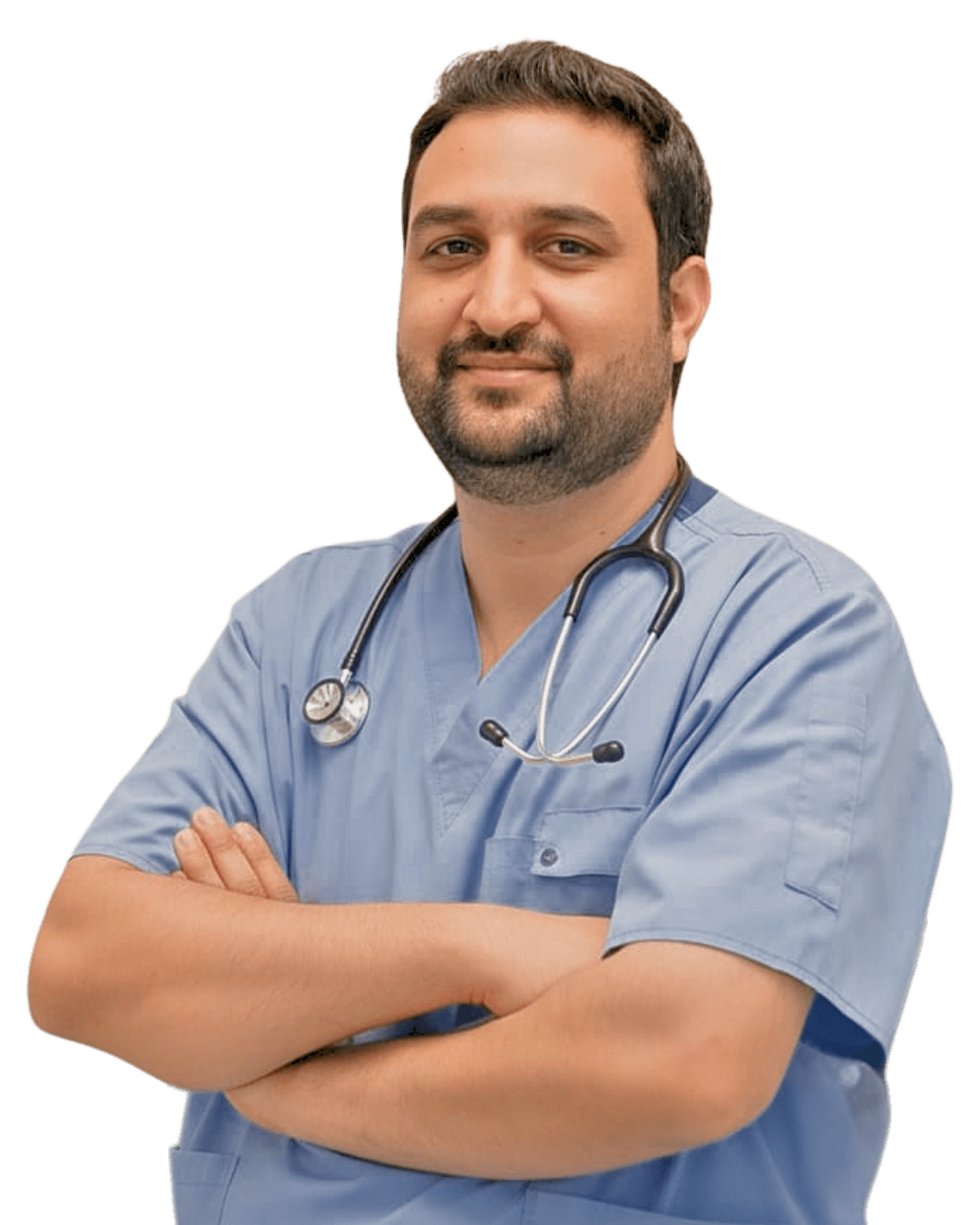
Patients seeking testicular cancer surgery in Islamabad or Rawalpindi can consult Dr. Adil Shafi, Consultant General, Bariatric & Laparoscopic Surgeon, who provides expert evaluation and surgical treatment for various tumor-related conditions.
Early medical consultation and accurate diagnosis significantly improve treatment outcomes and help patients recover successfully.
Testicular cancer occurs when abnormal cells grow in the testicles and form a tumor. These abnormal cells may multiply rapidly and spread to nearby lymph nodes or other organs if not treated.
Testicular cancer most commonly affects young and middle-aged men, typically between the ages of 15 and 40, although it can occur at any age.
There are two primary types of testicular cancer:
Seminoma: Seminomas tend to grow more slowly and are usually highly responsive to treatment.
Non-Seminoma: Non-seminoma tumors grow more quickly and may spread earlier, requiring prompt treatment.
Because testicular cancer often develops silently, regular self-examination and awareness of symptoms are important for early detection.
When diagnosed early, treatment success rates are very high.
Testicular cancer often presents with noticeable changes in the testicles.
Common symptoms include:
Some patients may notice only a small lump or firmness in the testicle during self-examination.
Any unusual changes in the testicles should be evaluated by a doctor as soon as possible.
Early detection significantly improves treatment success.
The exact cause of testicular cancer is not always known. However, certain factors may increase the risk of developing the disease.
Undescended Testicle (Cryptorchidism): Men who had a testicle that did not descend into the scrotum during childhood have a higher risk of testicular cancer.
Family History: A family history of testicular cancer may increase risk.
Previous Testicular Cancer: Men who previously had cancer in one testicle are at higher risk of developing it in the other.
Age: Testicular cancer is most common in young adult men.
Genetic Factors: Certain genetic conditions may contribute to increased cancer risk.
Understanding these risk factors helps individuals seek timely medical screening and consultation.
Surgery is usually the first and most important treatment for testicular cancer.
Doctors may recommend surgery when:
Removing the affected testicle helps prevent the cancer from spreading and allows doctors to determine the exact type of tumor.
Additional treatments such as chemotherapy or radiation therapy may sometimes be required depending on the stage of the disease.
Several surgical procedures may be used in the management of testicular cancer.
Radical Inguinal Orchiectomy: This is the most common surgery used to treat testicular cancer. The surgeon removes the affected testicle through a small incision in the groin.
Retroperitoneal Lymph Node Dissection: If cancer spreads to nearby lymph nodes, these nodes may also need to be removed.
Testicular Prosthesis Placement: Some patients may choose to have a prosthetic testicle placed for cosmetic reasons after surgery.
The specific surgical approach depends on the stage of cancer and the patient’s overall health.
Testicular cancer surgery is usually performed in a hospital under general anesthesia.
The procedure generally includes the following steps.
Preoperative Evaluation: Doctors perform diagnostic tests such as ultrasound scans, CT scans, blood tests, and tumor marker tests to confirm the diagnosis.
Surgical Removal of the Testicle: The surgeon makes a small incision in the groin area and removes the affected testicle along with the spermatic cord.
Examination of Tissue: The removed tissue is sent to a laboratory to confirm the type and stage of cancer.
Closure of Incision: The incision is closed with sutures, and the patient is monitored during recovery.
The procedure usually takes about one hour, and most patients recover quickly.
Testicular cancer surgery provides several important benefits.
Removal of the Primary Tumor: Surgery eliminates the main cancerous growth.
Accurate Diagnosis: Laboratory examination of the removed tissue helps determine the type of cancer.
Prevention of Cancer Spread: Removing the tumor early helps prevent cancer from spreading to other organs.
High Cure Rates: Testicular cancer has one of the highest cure rates when treated early.
Improved Long-Term Survival: Combined with other treatments when necessary, surgery greatly improves survival outcomes.
Recovery after orchiectomy is usually quick and uncomplicated.
Patients are typically advised to:
Most patients can return to normal activities within two to three weeks.
In many cases, the remaining testicle continues to produce sufficient testosterone and sperm for normal body function.
Doctors may discuss fertility preservation options with patients before treatment if necessary.
Men experiencing symptoms such as testicular lumps or swelling should seek medical evaluation without delay.
Dr. Adil Shafi, Consultant General, Bariatric & Laparoscopic Surgeon, provides expert diagnosis and surgical treatment for tumor-related conditions in Islamabad and Rawalpindi. Each patient receives individualized care and treatment planning based on their diagnosis and overall health.
With modern surgical techniques and compassionate care, Dr. Adil Shafi aims to provide safe and effective treatment for testicular cancer while supporting patients throughout their recovery.
Early consultation significantly improves treatment success and long-term outcomes.
Get straightforward information designed to support your needs and remove confusion around common medical concerns.
Testicular cancer surgery involves removal of the affected testicle through a procedure called orchiectomy.
Yes, surgery is often the first and most effective treatment for testicular cancer.
Most men can still have normal fertility with one healthy testicle.
Patients usually recover within 2–3 weeks.
Patients can consult Dr. Adil Shafi for cancer surgery in Islamabad and Rawalpindi.
Request Your Expert Surgical Consultation
Receive clear, evidence-based guidance tailored to your condition.
Our goal is to help you make informed decisions about your health with confidence & clarity.