The thyroid gland is a small butterfly-shaped gland located at the front of the neck. It plays an important role in regulating metabolism, energy levels, heart rate, and body temperature by producing essential hormones. When abnormal cells begin to grow in the thyroid gland, they can form a tumor that may eventually develop into thyroid cancer.
Although thyroid cancer is less common compared to other cancers, it is one of the most treatable cancers when detected early. Surgical removal of the affected thyroid tissue is often the primary treatment used to eliminate the tumor and prevent the cancer from spreading.
Thyroid cancer surgery aims to remove cancerous tissue from the thyroid gland while preserving surrounding structures such as nerves and glands responsible for calcium regulation. With modern surgical techniques and proper postoperative care, most patients recover well and continue to live normal, healthy lives.
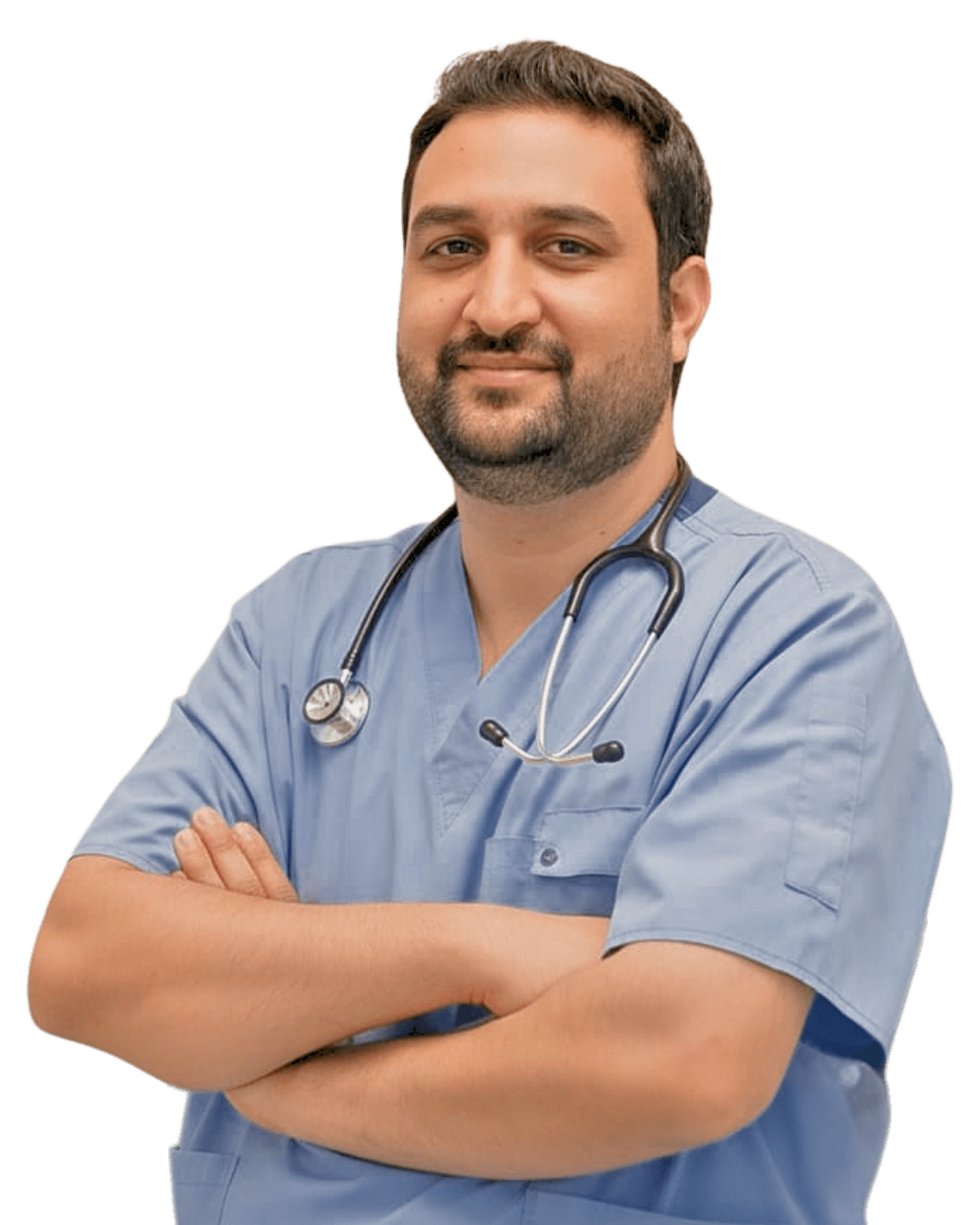
Patients searching for thyroid cancer surgery in Islamabad or Rawalpindi can consult Dr. Adil Shafi, Consultant General, Bariatric & Laparoscopic Surgeon, who provides expert surgical evaluation and treatment for thyroid tumors and other surgical conditions.
Early diagnosis and timely surgical treatment play a vital role in successful thyroid cancer management.
Thyroid cancer occurs when cells within the thyroid gland grow uncontrollably and form a tumor. These abnormal cells may eventually invade nearby tissues or spread to other parts of the body if left untreated.
There are several types of thyroid cancer, including:
Papillary Thyroid Cancer: This is the most common type, accounting for nearly 80% of thyroid cancer cases. It usually grows slowly and has a high survival rate.
Follicular Thyroid Cancer: This type may spread to nearby blood vessels and other organs if not treated early.
Medullary Thyroid Cancer: This is a less common type that may be associated with inherited genetic conditions.
Anaplastic Thyroid Cancer: A rare but aggressive form of thyroid cancer that grows rapidly.
Most thyroid cancers are diagnosed early and can be effectively treated with surgery and follow-up therapies.
Many thyroid cancers do not cause symptoms in the early stages. In many cases, the condition is first detected as a lump or swelling in the neck during a physical examination or imaging test.
Common symptoms include:
Any persistent lump or swelling in the neck should be evaluated by a doctor.
Early medical evaluation can help detect thyroid cancer at an early stage when treatment is most effective.
The exact cause of thyroid cancer is not always known, but several factors may increase the risk of developing the disease.
Radiation Exposure: Exposure to radiation, especially during childhood, increases the risk of thyroid cancer.
Family History: Certain genetic mutations can increase the likelihood of developing thyroid cancer.
Age and Gender: Thyroid cancer is more common in women and often occurs between the ages of 30 and 60.
Iodine Imbalance: Both iodine deficiency and excess iodine intake may influence thyroid health.
Thyroid Disorders: Conditions such as thyroid nodules or goiter may increase the risk of developing thyroid tumors.
Understanding these risk factors can help individuals seek medical screening when necessary.
Surgery is usually the primary treatment for thyroid cancer and may be recommended when:
In many cases, surgery is followed by radioactive iodine therapy or hormone therapy to prevent recurrence.
The treatment plan depends on the type and stage of thyroid cancer.
Several surgical procedures may be used depending on the size and stage of the tumor.
Thyroid Lobectomy: Removal of one lobe (half) of the thyroid gland if the tumor is small and localized.
Total Thyroidectomy: Removal of the entire thyroid gland when cancer affects both sides of the gland or when the tumor is larger.
Lymph Node Dissection: Nearby lymph nodes may be removed if cancer has spread beyond the thyroid gland.
The choice of procedure depends on the patient’s condition and the characteristics of the tumor.
Thyroid cancer surgery is usually performed in a hospital under general anesthesia.
The procedure typically includes the following steps.
Preoperative Evaluation: Doctors perform tests such as ultrasound, CT scans, biopsy, and blood tests to evaluate the thyroid tumor.
Surgical Removal of Thyroid Tissue: The surgeon carefully removes the cancerous portion of the thyroid gland.
Preservation of Important Structures: Special care is taken to protect the recurrent laryngeal nerve, which controls the vocal cords.
Protection of Parathyroid Glands: These small glands regulate calcium levels in the body and are preserved during surgery whenever possible.
Closing the Surgical Site: The incision is closed carefully to allow proper healing and minimize scarring.
The procedure typically takes two to three hours depending on the complexity of the surgery.
Thyroid cancer surgery provides several important benefits for patients.
Removal of Cancerous Tissue: Surgery eliminates the primary tumor and prevents cancer spread.
Improved Survival Rates: Most patients with early-stage thyroid cancer have excellent long-term outcomes.
Accurate Diagnosis: Laboratory analysis of the removed tissue helps determine the cancer stage.
Symptom Relief: Patients often experience relief from neck pressure and swallowing difficulties.
Effective Long-Term Treatment: When combined with additional therapies, surgery provides excellent long-term cancer control.
Recovery from thyroid surgery is usually smooth when patients follow postoperative instructions.
Patients are typically advised to:
Most patients can return to normal activities within two to three weeks.
If the entire thyroid gland is removed, patients will need lifelong thyroid hormone medication to maintain normal body function.
Patients experiencing symptoms such as neck swelling, thyroid nodules, or persistent throat discomfort should seek medical evaluation promptly.
Dr. Adil Shafi, Consultant General, Bariatric & Laparoscopic Surgeon, provides expert surgical care for thyroid tumors and cancer conditions in Islamabad and Rawalpindi. His treatment approach focuses on accurate diagnosis, advanced surgical techniques, and compassionate patient care.
Each patient receives a personalized treatment plan tailored to their medical condition and overall health.
Early consultation significantly improves treatment success and recovery outcomes.
Get straightforward information designed to support your needs and remove confusion around common medical concerns.
Thyroid cancer surgery, also called thyroidectomy, is a procedure to remove part or all of the thyroid gland when cancer is detected. Surgical removal of the thyroid gland is often the most effective treatment for thyroid cancer.
Surgery is usually recommended for most types of thyroid cancer including papillary thyroid cancer, follicular thyroid cancer, medullary thyroid cancer, and certain cases of anaplastic thyroid cancer.
Yes, thyroid cancer surgery is considered safe when performed by an experienced surgeon. Modern surgical techniques help protect important structures such as the vocal cord nerves and parathyroid glands.
Most patients recover within 1–2 weeks after thyroid surgery, although full healing may take several weeks depending on the extent of the procedure.
Patients seeking thyroid cancer surgery in Islamabad or Rawalpindi can consult Dr. Adil Shafi, Consultant General and Laparoscopic Surgeon, for surgical evaluation and treatment.
Request Your Expert Surgical Consultation
Receive clear, evidence-based guidance tailored to your condition.
Our goal is to help you make informed decisions about your health with confidence & clarity.