The parotid glands are the largest of the salivary glands in the human body. They are located on both sides of the face, just in front of the ears. These glands produce saliva, which helps with digestion, oral lubrication, and maintaining oral health. When the parotid gland develops a tumor, infection, or other abnormal condition, surgical removal of part or all of the gland may be necessary. This surgical procedure is known as parotidectomy.
Parotid gland tumors can be either benign (non-cancerous) or malignant (cancerous). Fortunately, most parotid tumors are benign. However, even benign tumors often require surgical removal because they may grow larger over time or carry a small risk of becoming cancerous.
Parotidectomy is a specialized surgical procedure that requires careful planning and precision, especially because the facial nerve, which controls facial movement, passes through the parotid gland. An experienced surgeon carefully removes the affected portion of the gland while preserving the facial nerve.
Patients seeking parotid gland surgery in Islamabad or Rawalpindi can consult Dr. Adil Shafi, Consultant General, Bariatric & Laparoscopic Surgeon, who provides professional surgical evaluation and treatment for conditions affecting the salivary glands.
Early diagnosis and proper treatment help prevent complications and improve long-term outcomes.
Parotidectomy is a surgical procedure performed to remove part or all of the parotid gland. The operation is usually performed to treat tumors or growths that develop within the gland.
There are several types of parotidectomy depending on the location and nature of the tumor.
Superficial Parotidectomy: This procedure removes the outer portion of the parotid gland where most tumors develop. It is the most common type of parotid surgery.
Total Parotidectomy: In this procedure, the entire parotid gland is removed. This may be necessary when tumors affect deeper portions of the gland.
Radical Parotidectomy: In rare cases where cancer involves nearby structures, a more extensive surgery may be required.
The specific procedure recommended depends on the patient’s diagnosis and the characteristics of the tumor.
Many parotid gland tumors develop slowly and may not cause symptoms initially. Patients often discover a lump near the jaw or ear while touching the area or during a routine medical examination.
Common symptoms that may indicate a parotid gland problem include:
In some cases, parotid tumors may affect nearby nerves and cause facial weakness or asymmetry.
Any persistent swelling or lump near the jaw should be evaluated by a doctor.
The exact cause of parotid gland tumors is not always known. However, certain factors may increase the risk of developing these growths.
Benign Tumors: The most common benign parotid tumor is pleomorphic adenoma, which grows slowly and usually does not spread.
Malignant Tumors: Although less common, cancerous tumors can also develop in the parotid gland.
Radiation Exposure: Previous radiation therapy to the head or neck may increase the risk of salivary gland tumors.
Genetic Factors: Some individuals may have a genetic predisposition to glandular tumors.
Environmental Factors: Exposure to certain chemicals may increase the risk of salivary gland abnormalities.
Medical evaluation and diagnostic tests help determine the nature of the tumor.
Doctors may recommend parotidectomy when:
Surgical removal allows doctors to confirm the diagnosis and prevent the tumor from growing or spreading.
Even benign tumors are usually removed to prevent complications in the future.
Parotidectomy is performed in a hospital under general anesthesia.
The procedure typically involves the following steps.
Preoperative Evaluation: Doctors perform imaging studies such as ultrasound, CT scan, or MRI to determine the size and location of the tumor. A fine needle aspiration biopsy may also be performed to evaluate the tumor cells.
Surgical Incision: A carefully planned incision is made near the ear and along the natural folds of the skin to minimize visible scarring.
Identification of the Facial Nerve: The surgeon carefully identifies and protects the facial nerve, which controls facial expressions.
Removal of the Tumor: The affected portion of the parotid gland is removed along with the tumor.
Closing the Incision: The incision is closed using fine sutures to allow proper healing.
The surgery typically takes two to three hours, depending on the complexity of the case.
Parotidectomy provides several important benefits for patients with parotid gland tumors.
Removal of Tumors: Surgery eliminates benign or malignant growths in the gland.
Accurate Diagnosis: The removed tissue can be examined to determine whether the tumor is benign or cancerous.
Prevention of Tumor Growth: Removing the tumor prevents further enlargement or spread.
Relief from Symptoms: Patients often experience relief from swelling and discomfort after surgery.
Improved Long-Term Health: Early surgical treatment helps prevent serious complications.
Recovery after parotidectomy varies depending on the type of surgery and the patient’s overall health.
Patients are typically advised to:
Some mild swelling or temporary facial weakness may occur after surgery, but this usually improves as healing progresses.
Most patients return to normal activities within two to three weeks.
You should consult a doctor if you notice:
Early medical evaluation helps detect salivary gland tumors and allows timely treatment.
Ignoring symptoms may allow tumors to grow larger and become more difficult to treat.
Patients experiencing symptoms related to salivary gland tumors should seek evaluation from an experienced surgeon.
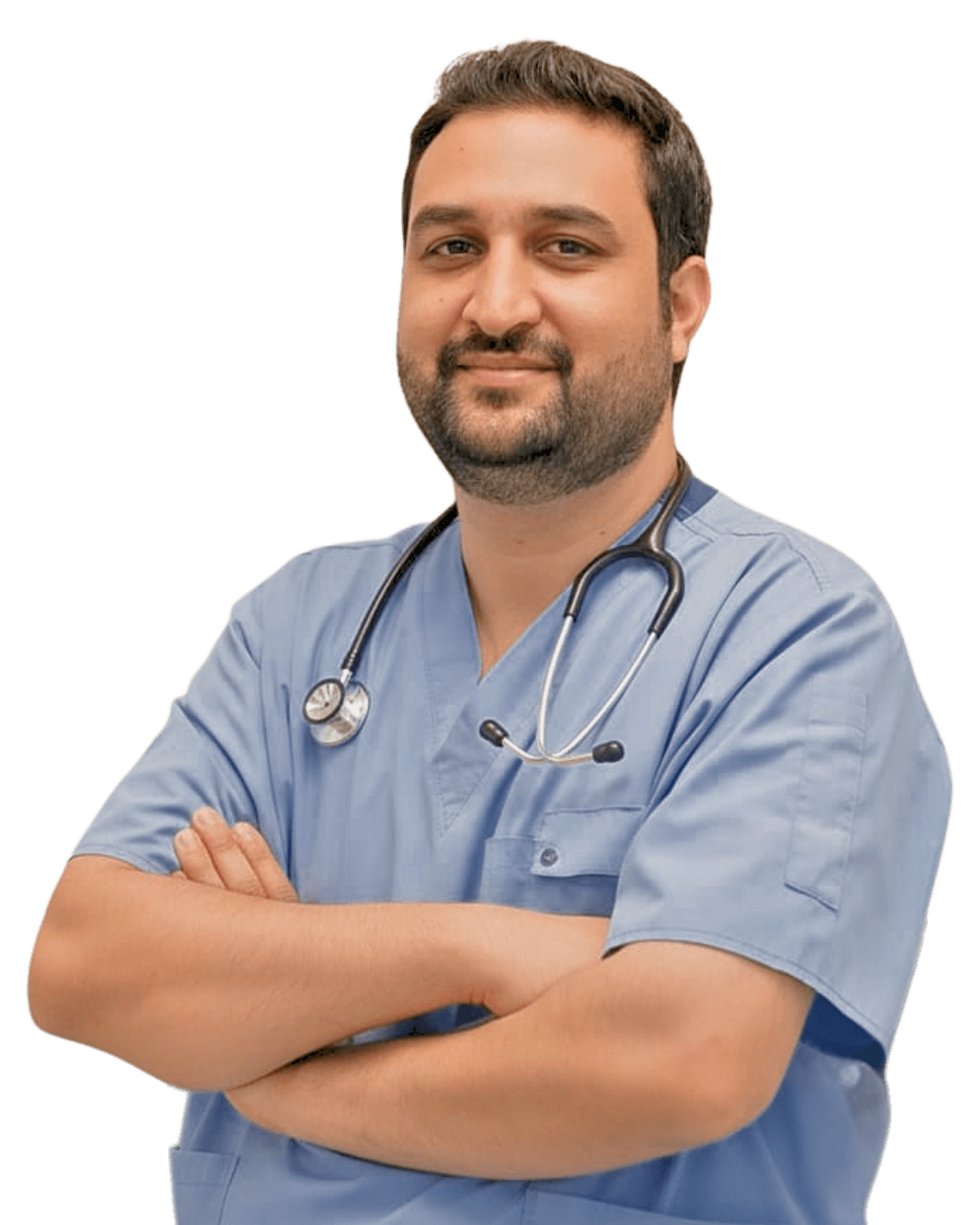
Dr. Adil Shafi, Consultant General, Bariatric & Laparoscopic Surgeon, provides professional diagnosis and surgical treatment for parotid gland conditions in Islamabad and Rawalpindi. Each patient receives a personalized treatment plan based on their condition and medical history.
With modern surgical techniques and careful nerve preservation, Dr. Adil Shafi aims to provide safe and effective treatment for parotid gland tumors.
Early consultation ensures timely diagnosis and successful surgical outcomes.
Get straightforward information designed to support your needs and remove confusion around common medical concerns.
Parotidectomy is a surgical procedure used to remove tumors or diseased tissue from the parotid salivary gland located near the ear and jaw.
Not all parotid gland tumors are cancerous; many are benign but still require surgical removal to prevent complications.
Experienced surgeons carefully protect the facial nerve during surgery to minimize complications.
Recovery from parotid gland surgery usually takes 2–3 weeks.
Patients seeking parotid tumor surgery in Islamabad or Rawalpindi can consult Dr. Adil Shafi.
Request Your Expert Surgical Consultation
Receive clear, evidence-based guidance tailored to your condition.
Our goal is to help you make informed decisions about your health with confidence & clarity.