A biopsy is one of the most important diagnostic procedures used in modern medicine. It involves removing a small sample of tissue from the body so it can be examined under a microscope. This examination helps doctors determine whether the tissue is normal, infected, inflamed, or cancerous.
Doctors commonly recommend a biopsy when an abnormal lump, swelling, or suspicious growth is detected during a physical examination or imaging tests such as ultrasound, CT scan, or MRI. The biopsy helps confirm the exact diagnosis so the most appropriate treatment can be planned.
Biopsies are widely used to diagnose conditions affecting many parts of the body including the breast, lymph nodes, thyroid gland, skin, liver, and other organs. Although hearing the word “biopsy” may cause anxiety for some patients, the procedure itself is usually quick, safe, and minimally invasive.
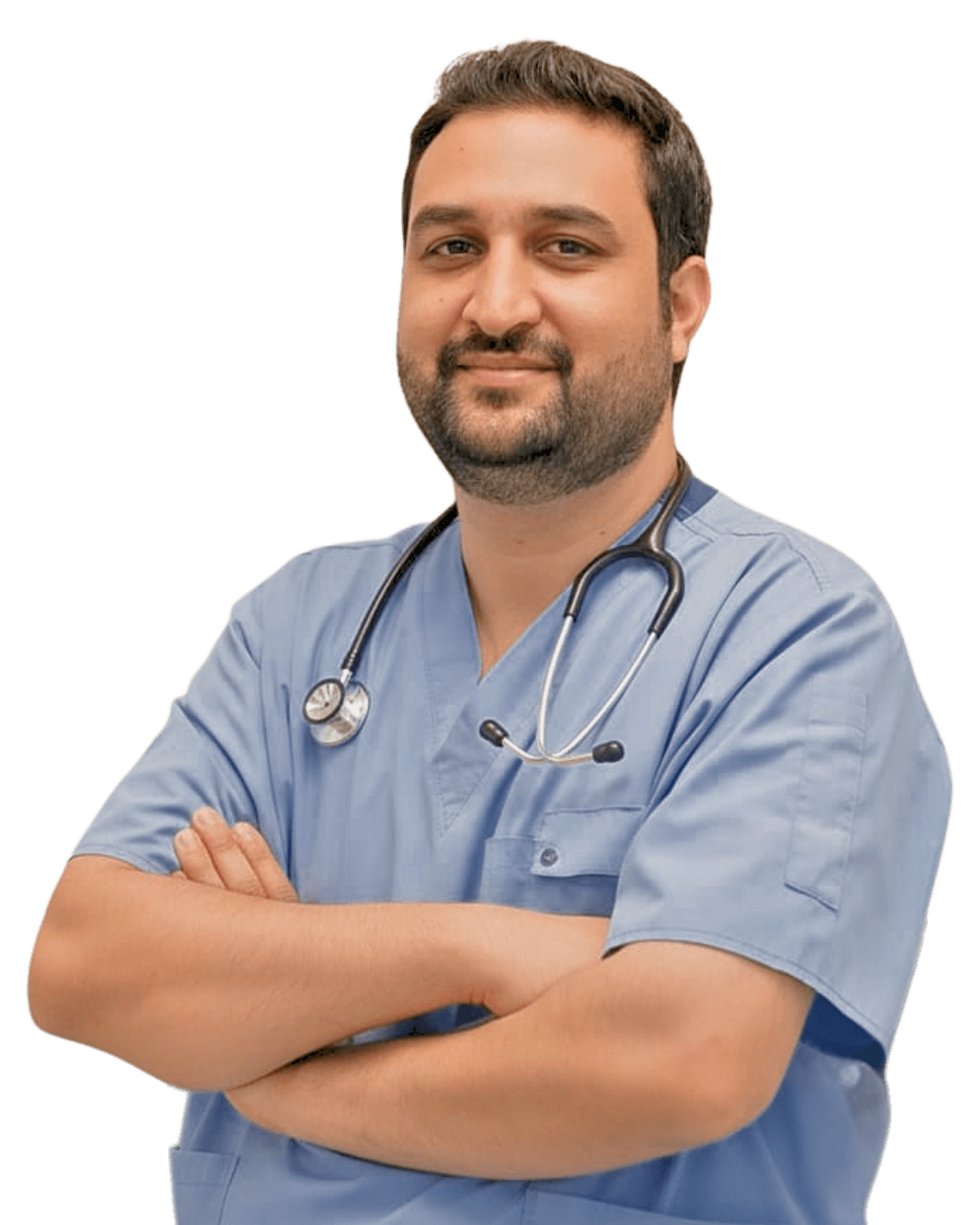
Patients seeking biopsy procedures in Islamabad or Rawalpindi can consult Dr. Adil Shafi, Consultant General, Bariatric & Laparoscopic Surgeon, who performs diagnostic biopsy procedures to help accurately identify medical conditions.
Early and accurate diagnosis through biopsy allows doctors to detect serious conditions early and start appropriate treatment without delay.
A biopsy is a medical procedure in which a small sample of tissue is removed from the body for laboratory examination. The tissue sample is examined by a pathologist who studies the cells under a microscope to determine whether they are normal or abnormal.
Biopsies are commonly used to diagnose:
The procedure helps doctors understand the nature of a disease and determine the most effective treatment plan.
Biopsies are often performed when imaging tests alone cannot provide a definitive diagnosis.
There are several different types of biopsy procedures depending on the location and nature of the abnormal tissue.
Fine Needle Aspiration Biopsy (FNAC): A thin needle is used to withdraw a small sample of cells from a lump or swelling. This method is commonly used for thyroid nodules and breast lumps.
Core Needle Biopsy: A slightly larger needle is used to remove a small cylindrical piece of tissue. This method provides more detailed tissue samples.
Incisional Biopsy: In this procedure, only a portion of the abnormal tissue is removed for examination.
Excisional Biopsy: The entire lump or suspicious area is removed during surgery and sent for laboratory analysis.
Image-Guided Biopsy: In some cases, imaging techniques such as ultrasound or CT scans help guide the biopsy needle to the correct location.
The choice of biopsy type depends on the patient’s condition and the location of the abnormal tissue.
Doctors may recommend a biopsy when abnormal tissue or unexplained symptoms are detected.
Common situations where a biopsy may be required include:
A biopsy helps confirm whether the abnormal tissue is benign or malignant
Abnormal tissue growth may develop due to various medical conditions.
Infections: Certain bacterial, viral, or fungal infections can cause tissue changes that require biopsy for diagnosis.
Inflammation: Chronic inflammation may lead to abnormal tissue growth.
Tumors: Benign or malignant tumors may form due to abnormal cell growth.
Genetic Factors: Some individuals may inherit conditions that increase the risk of abnormal cell growth.
Environmental Factors: Exposure to toxins, chemicals, or radiation may contribute to abnormal tissue development.
Identifying the exact cause requires laboratory examination of tissue samples.
A doctor may recommend a biopsy when:
A biopsy helps doctors determine the exact nature of the condition and guide further treatment decisions.
Early diagnosis is especially important when cancer is suspected.
The biopsy procedure varies depending on the location and type of tissue being sampled. However, the general process follows similar steps.
Medical Evaluation: Before the biopsy, the doctor reviews the patient’s medical history and imaging results.
Preparation: The skin over the biopsy site is cleaned and sterilized to prevent infection.
Anesthesia: Local anesthesia is usually administered to numb the area and reduce discomfort.
Tissue Sampling: The surgeon uses a needle or surgical instrument to remove a small sample of tissue.
Laboratory Examination: The sample is sent to a pathology laboratory where specialists analyze the tissue under a microscope.
Most biopsy procedures are completed within 15 to 45 minutes, depending on the type of biopsy.
Biopsy procedures provide several important advantages in medical diagnosis.
Accurate Diagnosis: A biopsy confirms the exact nature of abnormal tissue.
Early Detection of Cancer: Biopsies help detect cancer at early stages when treatment is most effective.
Guiding Treatment: The results help doctors determine the best treatment plan.
Monitoring Disease Progression: Biopsies can also help monitor certain medical conditions over time.
Avoiding Unnecessary Treatments: Accurate diagnosis prevents unnecessary medical procedures or medications.
Recovery after a biopsy is usually quick and uncomplicated.
Patients are generally advised to:
Most patients return to normal activities within one to two days, depending on the type of biopsy performed.
Minor bruising or tenderness at the biopsy site is normal and typically resolves quickly.
You should consult a doctor if you notice:
Early evaluation allows doctors to diagnose medical conditions accurately and begin treatment promptly.
Ignoring suspicious symptoms may delay diagnosis and treatment of serious diseases.
If you have been advised to undergo a biopsy or have discovered an unexplained lump or swelling, seeking professional medical evaluation is essential.
Dr. Adil Shafi, Consultant General, Bariatric & Laparoscopic Surgeon, provides diagnostic biopsy procedures in Islamabad and Rawalpindi. Patients receive careful clinical evaluation and precise tissue sampling to ensure accurate diagnosis.
Early biopsy and proper diagnosis allow patients to receive timely treatment and improve health outcomes.
Professional medical consultation ensures the safest approach to diagnosing and treating abnormal tissue conditions.
Get straightforward information designed to support your needs and remove confusion around common medical concerns.
A biopsy involves removing a small tissue sample for laboratory examination to diagnose diseases such as cancer.
Biopsies help determine whether a lump or abnormal growth is benign or malignant.
Most biopsies are done under local anesthesia, making the procedure minimally painful.
Results are usually available within a few days.
Patients can consult Dr. Adil Shafi for biopsy procedures in Islamabad and Rawalpindi.
Request Your Expert Surgical Consultation
Receive clear, evidence-based guidance tailored to your condition.
Our goal is to help you make informed decisions about your health with confidence & clarity.