Cancer is one of the most serious health challenges faced by millions of people worldwide. Early diagnosis and timely treatment are essential for improving survival rates and quality of life. Among the various treatment options available, cancer surgery remains one of the most effective and commonly used treatments for many types of cancer.
Cancer surgery involves the removal of tumors or cancer-affected tissues from the body. In many cases, surgical treatment can completely remove the cancer when detected early. Even when complete removal is not possible, surgery may still play a critical role in controlling disease progression, relieving symptoms, and improving treatment outcomes when combined with chemotherapy or radiotherapy.
Modern surgical techniques have significantly improved cancer treatment. Today, surgeons use advanced methods including minimally invasive and laparoscopic surgical procedures to remove tumors while minimizing damage to surrounding tissues.
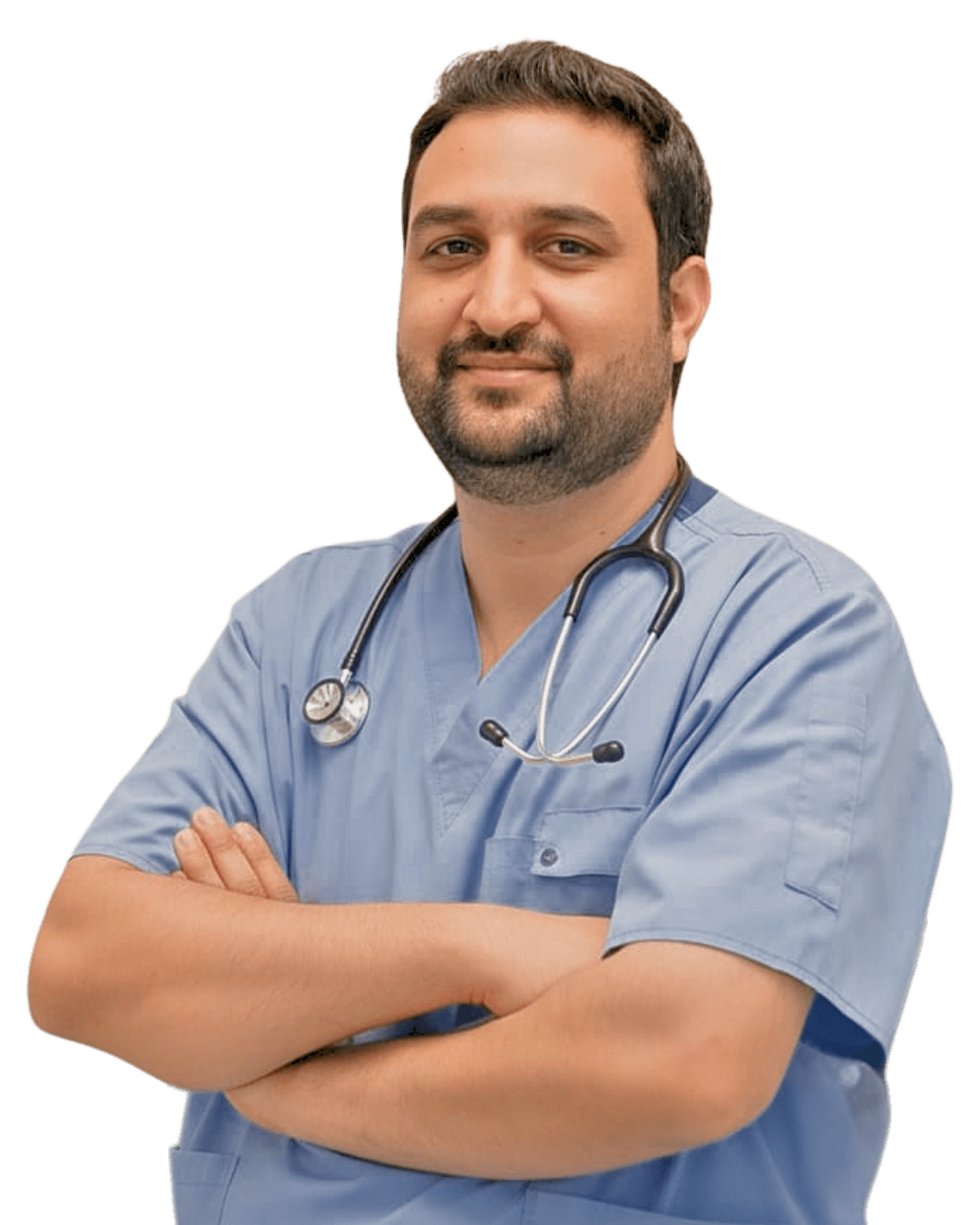
Patients searching for cancer surgery in Islamabad or Rawalpindi can consult Dr. Adil Shafi, Consultant General, Bariatric & Laparoscopic Surgeon, who provides surgical management for several types of cancers including breast cancer, thyroid cancer, colon cancer, stomach cancer, uterine cancer, and salivary gland tumors.
With careful diagnosis, individualized treatment planning, and modern surgical techniques, cancer surgery offers hope for patients seeking effective treatment and improved long-term outcomes.
Cancer surgery is a medical procedure performed to remove tumors or cancer-affected tissues from the body. The goal of surgery is to eliminate cancer cells while preserving as much healthy tissue as possible.
Depending on the stage and type of cancer, surgery may be used for several purposes:
Curative Surgery: In early-stage cancers, surgery can remove the entire tumor and potentially cure the disease.
Diagnostic Surgery: Sometimes surgery is performed to remove a small sample of tissue (biopsy) to confirm the diagnosis of cancer.
Staging Surgery: Surgery may help determine how far the cancer has spread within the body.
Debulking Surgery: In some cases, surgery removes as much of the tumor as possible to improve the effectiveness of other treatments such as chemotherapy or radiotherapy.
Palliative Surgery: Surgery may be performed to relieve symptoms such as pain, obstruction, or bleeding caused by cancer.
Each patient’s treatment plan depends on the type of cancer, its stage, and the overall health of the patient.
Early detection of cancer significantly improves the chances of successful treatment. Many cancers can be treated more effectively when diagnosed in their early stages.
Common warning signs that should never be ignored include:
If any of these symptoms appear, prompt medical consultation is important. Early medical evaluation can help detect cancer at a stage when surgical treatment is most effective.
Advances in surgical technology have transformed the field of cancer treatment. Modern surgical techniques aim to improve precision while reducing recovery time.
Minimally Invasive Surgery: Minimally invasive procedures involve small incisions and specialized instruments. These techniques reduce pain, scarring, and recovery time.
Laparoscopic Cancer Surgery: Laparoscopic surgery uses a small camera and specialized instruments inserted through tiny incisions. This approach allows surgeons to remove tumors with greater precision.
Organ-Preserving Surgery: Whenever possible, surgeons aim to preserve healthy organs and tissues while removing cancerous growths.
Image-Guided Surgery: Advanced imaging techniques help surgeons identify tumor boundaries and avoid damage to nearby structures.
These innovations have significantly improved patient outcomes and reduced postoperative complications.
Cancer surgery offers several important benefits when used as part of a comprehensive cancer treatment plan.
Removal of Cancerous Tissue: Surgery directly removes tumors from the body, which may eliminate cancer completely in early stages.
Improved Treatment Outcomes: Surgical removal of tumors often improves the effectiveness of chemotherapy and radiotherapy.
Relief of Symptoms: Surgery can relieve pain, obstruction, and other symptoms caused by tumors.
Better Long-Term Survival: Early surgical treatment significantly increases survival rates for many types of cancer.
Improved Quality of Life: Successful cancer surgery can help patients return to normal daily activities and improve overall well-being.
Recovery after cancer surgery depends on the type of procedure performed and the patient’s overall health condition.
Most patients are advised to:
Recovery time varies depending on the complexity of surgery. Minimally invasive procedures generally allow faster recovery compared to traditional open surgeries.
Patients may also receive additional treatments such as chemotherapy, radiotherapy, or targeted therapy depending on the stage of cancer.
A cancer diagnosis can be emotionally challenging for patients and their families. Psychological support and proper counseling play an important role in cancer care.
Patients are encouraged to:
A multidisciplinary approach that combines medical treatment, emotional support, and lifestyle adjustments helps patients cope with cancer more effectively.
Patients diagnosed with cancer should seek medical evaluation from experienced surgeons to determine the most appropriate treatment plan.
Dr. Adil Shafi, Consultant General, Bariatric & Laparoscopic Surgeon, provides surgical treatment for multiple types of cancer including breast cancer, thyroid cancer, gastrointestinal cancers, and salivary gland tumors.
Patients searching for cancer surgery in Islamabad or Rawalpindi can benefit from personalized treatment planning, modern surgical techniques, and compassionate patient care.
The goal of cancer surgery is not only to remove tumors but also to help patients achieve the best possible recovery and long-term health outcomes.
Early diagnosis, timely treatment, and expert surgical care significantly improve the chances of successful cancer treatment.
Get straightforward information designed to support your needs and remove confusion around common medical concerns.
Many cancers can be treated surgically including breast cancer, thyroid cancer, stomach cancer, colon cancer, ovarian cancer, and testicular cancer.
In many cases, cancer surgery can completely remove the tumor when the disease is diagnosed in early stages.
Modern surgical techniques and anesthesia ensure that patients do not feel pain during surgery, and postoperative pain is carefully managed with medications.
Recovery depends on the type of surgery but usually ranges from 2–6 weeks.
Warning signs may include unexplained weight loss, persistent lumps, abnormal bleeding, difficulty swallowing, and chronic pain.
Request Your Expert Surgical Consultation
Receive clear, evidence-based guidance tailored to your condition.
Our goal is to help you make informed decisions about your health with confidence & clarity.